
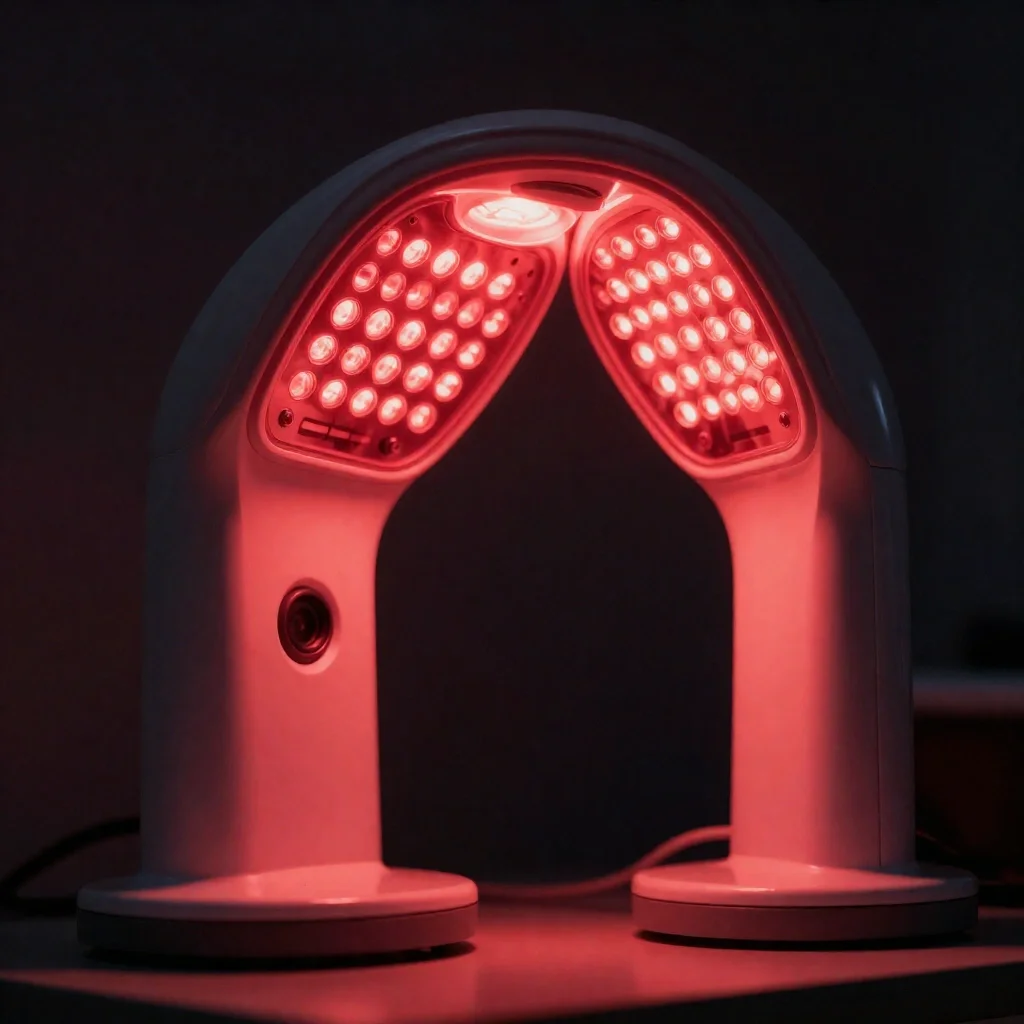
Are you tired of spending hundreds of dollars on skincare products that don’t work? Do you deal with chronic pain or slow muscle recovery? Red light therapy devices might be the solution you’ve been looking for.
Once only available at expensive spas and medical clinics, red light therapy is now something you can do at home. But with so many products claiming miracle results, which ones actually deliver?
This complete guide explains everything you need to know about red light therapy devices, including how they work, real benefits backed by science, honest reviews of the best products in 2026, and exactly what to look for when buying.
Understanding Red Light Therapy: The Science Made Simple
Red light therapy (also called RLT or photobiomodulation) uses specific colors of light to help your body heal and function better. Think of it as giving your cells an energy boost using light waves.
Your skin doesn’t just block light – it actually absorbs it. When the right wavelengths of light penetrate your skin, amazing things happen at the cellular level.
How Does Red Light Therapy Actually Work?
Inside every cell in your body are tiny structures called mitochondria. Scientists often call them the “batteries” of your cells because they produce energy.
When red and near-infrared light hits your mitochondria, they produce more ATP (adenosine triphosphate). ATP is the energy molecule that powers everything your cells do – from repairing damage to fighting inflammation to building new proteins.
More ATP means:
- Faster healing of injuries
- Reduced inflammation and pain
- Better skin appearance
- Improved circulation
- Enhanced cellular function throughout your body
The best part? Unlike UV light from the sun or tanning beds, red light therapy doesn’t damage your skin or increase cancer risk. It’s completely non-invasive with virtually no side effects.
The Two Important Wavelengths You Need to Know
Not all light works the same way. Red light therapy devices use two specific types of light:
Red Light (630-680 nanometers) This visible red light works on the surface of your skin. It’s excellent for treating skin conditions, reducing wrinkles, improving skin texture, and promoting wound healing.
Near-Infrared Light (810-850 nanometers) This invisible light penetrates much deeper – up to 2 inches into your body. It reaches muscles, joints, and even bones. This is what helps with pain relief, muscle recovery, and reducing deep inflammation.
The best red light therapy devices combine both wavelengths to give you surface and deep benefits at the same time.
Proven Benefits of Red Light Therapy Devices
Years of scientific research have confirmed that red light therapy provides real, measurable health benefits. Here’s what the evidence shows:
| Health Benefit | How It Helps | Expected Timeline |
|---|---|---|
| Younger-Looking Skin | Increases collagen and elastin production, reducing fine lines and wrinkles | 4-12 weeks of consistent use |
| Acne Improvement | Reduces inflammation and kills acne-causing bacteria | 2-8 weeks |
| Pain Relief | Decreases inflammation in joints and muscles | Often immediate; improves over 1-4 weeks |
| Faster Injury Healing | Boosts blood flow and accelerates tissue repair | 1-3 weeks depending on injury |
| Better Athletic Recovery | Reduces muscle soreness and speeds up recovery time | Immediate to 2 weeks |
| Hair Regrowth | Stimulates hair follicles and improves scalp circulation | 3-6 months (requires patience) |
| Improved Sleep Quality | Helps regulate natural sleep-wake cycles | 1-3 weeks |
| Reduced Inflammation | Works at cellular level to decrease overall inflammation | 2-6 weeks |
Real Results from Clinical Studies
These benefits aren’t just marketing claims. Hundreds of peer-reviewed studies support red light therapy:
- A 2014 study found that participants saw a 31% reduction in wrinkles after 12 weeks of red light therapy
- Research shows red light can reduce muscle soreness by up to 50% when used after intense workouts
- Multiple studies demonstrate significant pain reduction in arthritis patients using near-infrared light
- Clinical trials show red light therapy can accelerate wound healing by 50-200%
The key to getting these results? Using a quality device consistently over time.
Types of Red Light Therapy Devices: Which One Is Right for You?
Red light therapy devices come in several formats. The right choice depends on what areas you want to treat and how you plan to use it.
Full-Body Panels (Large Light Panels)
These are the powerhouses of home red light therapy. Panels typically measure 12 inches to 36 inches and contain dozens or hundreds of LED bulbs.
Best for:
- Treating large areas like your back, chest, or legs
- Full-body anti-aging treatments
- Athletes who need whole-body recovery
- People with widespread pain or inflammation
Pros:
- Most powerful option available for home use
- Treats multiple areas simultaneously
- Saves time compared to smaller devices
- Professional-grade results
Cons:
- Higher initial cost ($200-$1,500)
- Takes up space in your home
- Not portable
Typical treatment time: 10-20 minutes, 3-5 times per week
LED Face Masks
These masks wrap around your face and deliver concentrated light directly to your facial skin. Most are hands-free, so you can relax or multitask during treatment.
Best for:
- Anti-aging and wrinkle reduction
- Treating acne and improving skin tone
- Reducing dark spots and hyperpigmentation
- Anyone focused primarily on facial skincare
Pros:
- Specifically designed for facial contours
- Hands-free operation
- Quick treatment times (often just 3-10 minutes)
- Easy to use while watching TV or reading
Cons:
- Only treats your face
- Can feel claustrophobic for some people
- Usually more expensive per treatment area than panels
Typical treatment time: 3-10 minutes daily
Handheld Wands and Targeted Devices
These portable devices are designed for spot treatments. They’re smaller, lightweight, and perfect for targeting specific problem areas.
Best for:
- Treating specific joints (knee, elbow, shoulder)
- Spot-treating acne or scars
- Targeting small areas of pain
- Travel and portability
Pros:
- Very portable and easy to store
- Lower cost ($50-$300)
- Precise control over treatment area
- Great for beginners
Cons:
- Takes longer to treat large areas
- Requires you to hold it during treatment
- Less powerful than panels
Typical treatment time: 5-15 minutes per area
Wrap-Style Devices (Belts and Pads)
These flexible devices wrap around joints or body parts and secure with velcro or straps.
Best for:
- Joint pain (knees, ankles, elbows)
- Lower back pain
- Hands-free targeted treatment
Pros:
- Stays in place during treatment
- Can move around while using it
- Good for hard-to-reach areas
Cons:
- Limited to specific body parts
- Can be uncomfortable for extended use
Best Red Light Therapy Devices: Honest Reviews for 2026
After researching dozens of products and reading thousands of user reviews, here are the top red light therapy devices that actually deliver results.
Best Overall Panel: Mito Red Light MitoPRO Series
The MitoPRO series offers professional-level performance at a reasonable price point.
Why it’s great:
- Combines 660nm red light and 850nm near-infrared light
- High irradiance (power output) means shorter treatment times
- Multiple size options from small to extra-large
- Low EMF (electromagnetic field) emissions
- 3-year warranty
Who should buy it: Anyone serious about getting the full benefits of red light therapy. Athletes, people with chronic pain, and those wanting comprehensive anti-aging benefits.
Price range: $400-$1,200 depending on size
Best Face Mask: CurrentBody Skin LED Light Therapy Mask
This FDA-cleared face mask is used by dermatologists and has thousands of positive reviews.
Why it’s great:
- Flexible silicone design fits all face shapes comfortably
- Uses clinically proven wavelengths (633nm red light)
- Only 10 minutes per treatment
- Wireless and rechargeable
- Comes with protective eye goggles
Who should buy it: Anyone focused on anti-aging, improving skin texture, or reducing acne. Great for people who want results without spending time at a dermatologist’s office.
Price range: $300-$400
Best for Pain Relief: Kineon MOVE+ Pro
Specifically engineered for joint and muscle pain, this device combines red light with laser technology for deeper penetration.
Why it’s great:
- Targets pain at the source with focused light
- Designed specifically for joints (knee, elbow, shoulder)
- Backed by clinical studies on pain reduction
- Portable and easy to use
- Includes multiple attachment options
Who should buy it: Athletes, people with arthritis, anyone dealing with chronic joint or muscle pain.
Price range: $350-$500
Best Budget-Friendly Panel: Hooga Red Light Therapy Panel
If you want panel power without the high price, Hooga delivers solid performance.
Why it’s great:
- Dual wavelength (660nm and 850nm)
- Good irradiance for the price
- Includes hanging kit and protective glasses
- 2-year warranty
Who should buy it: First-time users who want to try panel therapy without a huge investment, or anyone on a budget who still wants quality.
Price range: $150-$400
Best Portable Handheld: Tendlite Advanced Pain Relief Device
This FDA-cleared handheld device is small but mighty.
Why it’s great:
- Medical-grade components
- Focuses on the scientifically proven 660nm wavelength
- Incredibly easy to use
- Backed by clinical studies
- Perfect for travel
Who should buy it: People who need targeted treatment for specific areas, travelers, or anyone who wants to start with a lower investment.
Price range: $100-$250
Complete Buying Guide: How to Choose the Best Red Light Therapy Device
Don’t make the mistake of buying the cheapest device on Amazon. Quality varies dramatically, and many cheap products don’t deliver the promised benefits. Here’s what actually matters:
1. Power Output (Irradiance)
This is the most important factor. Irradiance measures how much light energy reaches your skin, shown in milliwatts per square centimeter (mW/cm²).
What to look for:
- Minimum of 50 mW/cm² at 6 inches distance
- 100+ mW/cm² is ideal for faster results
- Companies should clearly state their irradiance measurements
Higher irradiance means shorter treatment times and better results. A device with 100 mW/cm² is twice as effective as one with 50 mW/cm².
2. Wavelength Accuracy
The device must use the scientifically proven wavelengths. Be suspicious of products that don’t list specific numbers.
What to look for:
- Red light: 630-680nm (660nm is optimal)
- Near-infrared: 810-850nm (850nm is optimal)
- Avoid devices that only say “red light” without specifics
Some cheap products use the wrong wavelengths or don’t provide enough power at the correct wavelengths to be effective.
3. Coverage Area
Think about what areas of your body you want to treat.
| Device Type | Coverage Area | Best For |
|---|---|---|
| Small Handheld | 2-6 square inches | Targeted spots, face, joints |
| Medium Panel | 50-150 square inches | Torso, back, legs |
| Large Panel | 200+ square inches | Full body, multiple areas |
| Face Mask | Face only | Facial skincare |
Pro tip: It’s better to buy a larger device than you think you need. You’ll likely want to treat more areas once you see results.
4. EMF Levels (Electromagnetic Fields)
Some red light devices emit high levels of EMF, which some people prefer to avoid. Quality manufacturers test and limit EMF emissions.
What to look for:
- Low or zero EMF at the recommended treatment distance
- Companies that publish EMF test results
- Devices specifically marketed as “low EMF”
If you’re concerned about EMF exposure, this is an important factor to research.
5. Build Quality and Warranty
Red light therapy devices should last for years. Look for:
- At least a 1-year warranty (2-3 years is better)
- High-quality LED bulbs rated for 50,000+ hours
- Sturdy construction, not flimsy plastic
- Good heat dissipation (devices shouldn’t overheat)
6. FDA Clearance
While not all great devices have FDA clearance, it’s a good sign when they do. FDA clearance means the device has been tested for safety and effectiveness for specific uses.
7. Price vs. Value
| Price Range | What You Get | Best For |
|---|---|---|
| Under $100 | Basic handheld devices, lower power | Beginners, spot treatment only |
| $100-$300 | Quality handhelds, small panels | Most people starting out |
| $300-$600 | Professional face masks, medium panels | Serious users, targeted goals |
| $600-$1,500 | Large panels, medical-grade devices | Full-body treatment, athletes, clinics |
Remember: cheaper isn’t always better. A $50 device that doesn’t work is more expensive than a $400 device that delivers real results.
How to Use Your Red Light Therapy Device for Best Results
Buying a quality device is only half the battle. Here’s how to use it effectively:
Optimal Distance
Most devices work best when placed 6-12 inches from your skin. Too close can cause discomfort; too far reduces effectiveness. Always check your device’s instructions.
Treatment Duration
General guidelines:
- Start with 5-10 minutes per session
- Work up to 10-20 minutes as your skin adjusts
- More is not always better – over-treatment can reduce benefits
Frequency
For best results:
- Use 3-5 times per week for skin benefits
- Daily use is fine for pain relief
- Consistency matters more than duration
Skin Preparation
- Remove makeup and wash your face before treatment
- Treat clean, bare skin (no lotions or sunscreen)
- Don’t wear clothes over areas you’re treating
Eye Protection
Near-infrared light is safe for eyes in brief exposure, but prolonged direct viewing isn’t recommended. Most devices include protective goggles. Use them, especially with panels.
Common Mistakes to Avoid
Expecting instant results: Red light therapy works at the cellular level. Most benefits appear after 4-8 weeks of consistent use.
Using inconsistently: Using it once a week won’t give you results. Make it part of your routine.
Buying based on price alone: The cheapest device is often waste of money if it doesn’t have proper wavelengths or power.
Sitting too far away: Effectiveness drops dramatically with distance. Follow manufacturer guidelines.
Giving up too soon: Give it at least 8 weeks before deciding if it’s working.
Red Light Therapy Devices vs. Professional Treatments
You might wonder: should I buy a home device or go to a clinic?
| Factor | Home Device | Professional Treatment |
|---|---|---|
| Cost | $100-$1,500 one-time | $50-$200 per session |
| Convenience | Use anytime at home | Must schedule and travel |
| Power | Good to excellent | Slightly higher in some cases |
| Long-term value | Pays for itself in 5-15 sessions | Ongoing expense |
| Customization | You control timing and areas | Professional guidance |
The verdict: For most people, a quality home device offers better value. If you visit a clinic twice a week at $75 per session, you’ll spend $600 per month. A $600 device pays for itself in one month and lasts for years.
Just like investing in quality technology for other areas of your life – whether it’s choosing the right laptop for your needs or finding the best health devices – spending a bit more upfront on a quality red light therapy device saves money long-term and delivers better results.
Safety and Side Effects
Red light therapy is one of the safest wellness treatments available. However, you should know a few things:
It’s generally safe for:
- All skin types and tones
- Pregnant women (though consult your doctor first)
- People with most medical conditions
- Daily use
Possible mild side effects:
- Temporary skin redness (usually fades in 30 minutes)
- Feeling of warmth during treatment
- Rare: headache if staring directly at bright lights
Who should consult a doctor first:
- People taking photosensitive medications
- Those with light-sensitive conditions (rare)
- Anyone with serious skin conditions
When to avoid red light therapy:
- Don’t use on cancerous lesions
- Avoid active skin infections
- Not recommended for people with epilepsy triggered by flashing lights
Frequently Asked Questions About Red Light Therapy Devices
How long before I see results from red light therapy?
It depends on what you’re treating. Pain relief can happen within days or even after one session. Skin improvements typically take 4-8 weeks of consistent use. Hair regrowth requires 3-6 months of patience. The key is consistency – using your device regularly is more important than long sessions.
Can I use red light therapy every day?
Yes, daily use is safe and often recommended, especially for pain management. For anti-aging and skin benefits, 3-5 times per week is sufficient. Your skin needs time between sessions to produce collagen and repair itself.
Does red light therapy really work, or is it just hype?
Red light therapy is backed by hundreds of peer-reviewed scientific studies. It’s FDA-cleared for several uses including pain relief and skin conditions. While it’s not a miracle cure, the evidence clearly shows it provides real benefits when used properly with quality devices.
Is red light therapy safe for your eyes?
Brief exposure to red and near-infrared light is safe for eyes. However, you shouldn’t stare directly at bright lights for extended periods. Most devices come with protective goggles, and it’s smart to use them, especially with powerful panels.
What’s the difference between red light and infrared light?
Red light (630-680nm) is visible and works on the skin’s surface. Near-infrared light (810-850nm) is invisible to human eyes and penetrates deeper into tissues. The best devices use both wavelengths together for surface and deep benefits.
Will red light therapy help with weight loss?
Some studies suggest red light therapy may help with fat reduction and body contouring, but results are modest. It’s not a weight loss solution. The main benefits are skin health, pain relief, and cellular function.
Can I use red light therapy with other skincare products?
Yes, but apply products after your red light session, not before. Red light works best on clean, bare skin. Using it after treatment can actually help products absorb better.
How do I know if my device is working?
You should feel mild warmth during treatment (not hot or burning). Over time, you’ll notice improvements in your target area. If you’re treating pain, relief is often noticeable within days. For skin, take before and after photos to track progress.
The Bottom Line: Is Red Light Therapy Worth It?
After examining the science, testing devices, and reviewing user experiences, red light therapy devices are worth the investment for most people – but only if you buy a quality product and use it consistently.
You’ll benefit most if you:
- Want to reduce wrinkles and improve skin appearance
- Deal with chronic pain or joint issues
- Are an athlete looking to enhance recovery
- Want a natural, non-invasive wellness treatment
- Are willing to commit to regular use for 2+ months
It might not be worth it if you:
- Want instant results
- Won’t use it consistently
- Only have a very limited budget
- Expect it to solve serious medical conditions alone
Taking the Next Step
Ready to experience the benefits of red light therapy? Here’s your action plan:
- Identify your main goal: Skin health? Pain relief? Full-body wellness?
- Choose the right device type: Panel for full-body, mask for face, handheld for targeted areas
- Set your budget: Remember, quality devices cost more but deliver results
- Read the specifications: Check wavelengths, irradiance, and warranty
- Commit to consistency: Plan when you’ll use it 3-5 times per week
For more detailed scientific information about red light therapy, visit the Cleveland Clinic’s guide on red light therapy or explore research studies at the National Institutes of Health.
Red light therapy represents a powerful, science-backed way to support your body’s natural healing and regeneration processes. With the right device and consistent use, you can achieve noticeable improvements in how you look and feel.
The best time to start was months ago. The second-best time is today.
