
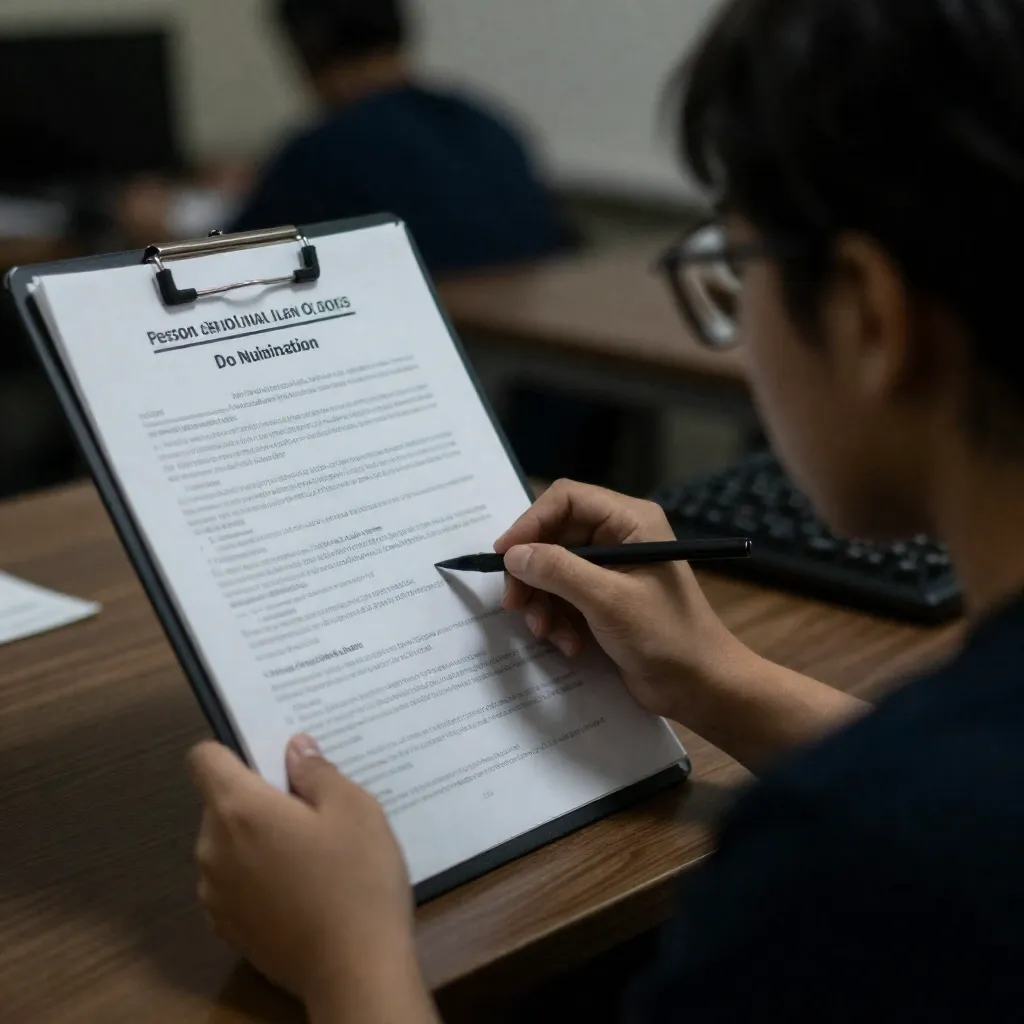
The best personal and student loan options in 2026 include federal student loans with income-driven repayment plans starting at 1-10% of discretionary income, private student loans from providers like Sallie Mae and College Ave for amounts exceeding federal limits, and personal loans from banks like SoFi (starting at 8.99%) and HDFC Bank (9.99%) for quick funding needs. Federal loans offer better protections and grace periods, while personal loans provide faster approval (24-48 hours) and flexible usage for non-academic expenses. Choose based on your credit score, timeline, and whether you need education-specific benefits.
The financial world of 2026 presents both opportunities and challenges for borrowers. Interest rates have stabilized after years of volatility, new government programs are making education more accessible, and digital lending platforms have simplified the application process dramatically.
Whether you’re planning your education, helping a family member pay for college, or looking to consolidate existing debts, understanding your loan options has never been more important. I’ve researched the current landscape to help you make informed decisions about borrowing in 2026.
The Current State of Borrowing in 2026
The lending environment has evolved significantly. Central banks worldwide have maintained steady interest rate policies, creating predictable borrowing costs for the first time in years. This stability benefits both students planning multi-year degree programs and professionals making long-term financial commitments.
Major changes this year:
- Interest rates for qualified borrowers have dropped to competitive levels
- New federal student loan programs offer more flexible repayment options
- Digital lending platforms now process most applications within hours instead of days
- Government subsidy programs have expanded to help middle-income families
For more insights on navigating financial decisions and legal obligations, check out our guide on what happens if you don’t show up for jury duty.
Understanding Personal Loans
Personal loans are unsecured credit, meaning you don’t need to put up your home, car, or other assets as collateral. Banks and financial institutions lend based primarily on your creditworthiness and income.
Why personal loans matter for education: Many students and families use personal loans when federal student aid doesn’t cover all expenses. They’re particularly useful for covering living costs, purchasing equipment, attending professional certification programs, or bridging gaps between semesters.
Key advantages:
- Fast approval and funding (often 24-48 hours)
- No restrictions on how you use the money
- No requirement to prove enrollment or academic progress
- Can be used for any education-related expense
Important limitations:
- Higher interest rates than federal student loans
- Repayment typically begins immediately
- Credit score heavily influences your rate
- No income-driven repayment plans
Top Personal Loan Providers for 2026
Here’s how leading lenders compare for education-related borrowing:
| Lender | Starting Interest Rate | Maximum Loan Amount | Key Advantage | Processing Time |
|---|---|---|---|---|
| SoFi | 8.99% (US market) | $100,000 | Career coaching included | 2-4 business days |
| HDFC Bank | 9.99% | ₹25 Lakh (~$30,000) | Fast disbursal for existing customers | 24-48 hours |
| IDFC FIRST Bank | 9.99% | ₹10 Lakh (~$12,000) | Zero prepayment penalties | 2-3 business days |
| Bajaj Finserv | 10.50% | ₹35 Lakh (~$42,000) | Flexible tenure options | 24 hours |
| Discover Personal Loans | 7.99% (promotional) | $40,000 | No origination fees | 1-3 business days |
Note: Advertised starting rates apply only to borrowers with excellent credit scores (typically 750+)
When personal loans make sense:
- You need money urgently for tuition deadlines or course fees
- Your federal student loan limits have been exhausted
- You’re funding professional development or certification programs not covered by traditional student aid
- You have strong credit and can qualify for competitive rates
- You need to cover living expenses or equipment purchases
Federal Student Loan Options
Federal student loans remain the foundation of education financing for most students. The government sets interest rates, repayment terms, and borrower protections that private lenders cannot match.
Current federal loan types:
Direct Subsidized Loans
Available to undergraduate students demonstrating financial need. The government pays your interest while you’re enrolled at least half-time, during your grace period, and during authorized deferments.
Current rates: Approximately 5.50% fixed for undergraduate borrowers Annual limits: $3,500-$5,500 depending on your year in school Lifetime limit: $23,000 for dependent undergraduates
Direct Unsubsidized Loans
Available to undergraduate and graduate students regardless of financial need. Interest accrues from the day the loan is disbursed.
Current rates: Around 5.50% for undergraduates, 7.05% for graduate students Annual limits: Up to $20,500 for graduate students No income requirements: Credit checks aren’t required
Direct PLUS Loans
Available to graduate students and parents of dependent undergraduate students. Requires a basic credit check but has more lenient standards than private loans.
Current rates: Approximately 8.05% fixed Amount: Up to the full cost of attendance minus other aid received Credit requirement: Cannot have adverse credit history
New Income-Driven Repayment Options for 2026
The federal government has restructured repayment plans to make them more manageable. The primary option now is the Repayment Assistance Plan (RAP), which calculates your monthly payment based on your actual income.
How RAP works:
- Your payment equals 5-10% of your discretionary income
- Discretionary income is defined as earnings above 225% of the federal poverty line
- After 20-25 years of qualifying payments, remaining balances may be forgiven
- Payments can be as low as $0 if your income is below the threshold
Comparison with older plans:
| Feature | Standard 10-Year Plan | RAP (New 2026 Plan) | Extended Graduated Plan |
|---|---|---|---|
| Monthly payment | Fixed amount | 5-10% of discretionary income | Starts low, increases every 2 years |
| Total repayment period | 10 years | 20-25 years | 25 years |
| Payment based on income | No | Yes | No |
| Potential forgiveness | No | Yes (after 20-25 years) | No |
| Best for | Stable high income | Variable or lower income | Growing career trajectory |
According to NerdWallet’s student loan guide, income-driven repayment plans can reduce monthly payments by 40-60% compared to standard plans.
Private Student Loan Providers
When federal options don’t cover your full educational costs, private student loans fill the gap. These loans come from banks, credit unions, and specialized education lenders rather than the government.
Leading private lenders in 2026:
| Lender | Interest Rate Range | Maximum Amount | Unique Feature | Co-signer Release |
|---|---|---|---|---|
| Sallie Mae | 4.50% – 15.49% | Cost of attendance | Multiple repayment options | After 12 payments |
| College Ave | 3.99% – 14.99% | Cost of attendance | Quick 3-minute application | After 24 payments |
| Earnest | 3.47% – 15.96% | $500,000 | Customizable loan terms | After 24 payments |
| Ascent | 3.69% – 15.96% | Cost of attendance | No co-signer options available | After 12 payments |
| Citizens Bank | 4.04% – 14.69% | $250,000 | Multi-year approval option | After 36 payments |
Rates shown represent the full range from excellent to fair credit; actual rate depends on creditworthiness
Private loan advantages:
- Can borrow up to full cost of attendance
- Competitive rates for borrowers with excellent credit
- Some lenders offer career-specific benefits and resources
- Flexible repayment terms ranging from 5-20 years
Private loan disadvantages:
- No income-driven repayment options
- Limited hardship protections compared to federal loans
- Often require a co-signer for students without credit history
- Variable rate options can increase over time
For those exploring entrepreneurial ventures alongside education, our guide on how to start AI dropshipping in 2026 might provide additional income strategies.
Government Assistance Programs in 2026
Several governments have introduced or expanded programs specifically designed to reduce the burden of education costs.
PM-Vidyalaxmi Scheme (India)
This flagship program launched in 2026 helps Indian students access affordable education loans:
Program benefits:
- Collateral-free loans for students attending accredited institutions
- 3% interest subsidy for families earning up to ₹8 Lakh annually
- Streamlined digital application through a unified portal
- Coverage for domestic and international education
Eligibility requirements:
- Admission to one of 900+ approved institutions
- Family income verification
- Indian citizenship
- Completion of required documentation
State-Specific Programs (United States)
Many U.S. states offer supplementary loan programs with favorable terms:
- Interest rate subsidies for in-state students
- Loan forgiveness for graduates who work in underserved areas
- Additional funding for specific high-demand fields like nursing or teaching
Qualifying for the Best Interest Rates
Lenders advertise attractive starting rates, but most borrowers don’t qualify for these lowest rates. Understanding what lenders look for helps you position yourself as a strong candidate.
Credit score impact:
| Credit Score Range | Expected Interest Rate | Qualification Likelihood |
|---|---|---|
| 750+ (Excellent) | 8.99% – 11.99% | High – You’ll see advertised rates |
| 700-749 (Good) | 11.99% – 14.99% | Moderate – Slightly above advertised |
| 650-699 (Fair) | 14.99% – 18.99% | Lower – Significantly higher rates |
| Below 650 (Poor) | 18.99%+ or declined | May require co-signer or be denied |
Other qualification factors:
Debt-to-Income Ratio: Lenders calculate this by dividing your total monthly debt payments by your gross monthly income. Keep this below 35% for the best rates, ideally under 25%.
Income Stability: Lenders strongly prefer borrowers with at least two years of consistent employment or documented income. Self-employed individuals may need to provide additional documentation.
Employment History: Frequent job changes raise concerns about repayment ability. Staying with one employer for 18+ months before applying helps.
Co-applicant or Co-signer: Adding someone with strong credit and stable income can dramatically improve your rate and approval odds, particularly for students with limited credit history.
For more educational resources on financial planning and career development, visit Gloobia’s learning and development section.
Choosing Between Personal and Student Loans
This decision significantly impacts your long-term financial health. Here’s how to think through the choice:
Choose federal student loans when:
- You qualify for subsidized loans (government pays interest during school)
- You want maximum repayment flexibility including income-driven plans
- You might need deferment or forbearance options during financial hardship
- You’re unsure about your post-graduation income trajectory
- You want potential loan forgiveness after 20-25 years
Choose private student loans when:
- You’ve maximized federal borrowing limits
- You have excellent credit and can secure rates below federal rates
- You don’t need income-driven repayment options
- You’re confident in your ability to make fixed payments
Choose personal loans when:
- You need money within 24-48 hours
- You’re funding non-traditional education (bootcamps, certifications)
- You’re covering living expenses or equipment not included in cost of attendance
- You have strong credit (750+) and don’t need student loan protections
- Federal and private student loans don’t cover your remaining needs
Common Questions About Borrowing for Education
Can I use a personal loan to pay for my child’s college? Yes, absolutely. Many parents choose personal loans because they process faster than Parent PLUS loans and don’t require the student’s enrollment verification. However, personal loan rates may be higher than federal options unless you have excellent credit.
What’s the difference between fixed and variable interest rates? Fixed rates stay the same throughout your loan term, making budgeting predictable. Variable rates fluctuate based on market conditions—they might start lower but can increase significantly. In 2026’s stable rate environment, most experts recommend fixed rates for education loans to avoid uncertainty.
Should I consolidate my student loans? Consolidation combines multiple loans into one payment, simplifying your finances. For federal loans, consolidation can extend your repayment term and make you eligible for certain forgiveness programs. However, you may pay more interest over time and lose some borrower benefits. According to Investopedia’s loan consolidation guide, evaluate carefully before consolidating.
Is loan forgiveness taxable? Currently, most federal loan forgiveness is considered taxable income, meaning you’ll owe taxes on the forgiven amount. The major exception is Public Service Loan Forgiveness (PSLF), which remains tax-free. Tax treatment can change, so consult a tax professional before relying on forgiveness programs.
How do I avoid taking on too much student debt? Experts recommend your total student loan debt should not exceed your expected first-year salary after graduation. Research typical salaries in your field, borrow only what you truly need, work part-time if possible, and aggressively apply for scholarships and grants that don’t require repayment.
Can I refinance student loans after graduation? Yes, but timing matters. Wait until you have stable employment and strong credit (typically 6-12 months after graduation). Refinancing federal loans with a private lender means losing income-driven repayment options and forgiveness eligibility, so only refinance if you’re certain you won’t need these protections.
Practical Application Strategy
Here’s a step-by-step approach to securing the right financing:
Step 1: Calculate your actual costs
- Tuition and mandatory fees
- Housing (on-campus or off-campus)
- Books and supplies
- Transportation
- Personal expenses
- One-time costs (laptop, furniture)
Step 2: Maximize free money first
- Complete FAFSA (Free Application for Federal Student Aid) annually
- Apply for all available scholarships and grants
- Check employer tuition assistance programs
- Investigate state and institutional grants
Step 3: Accept federal student loans
- Start with subsidized loans (if eligible)
- Add unsubsidized loan as needed
- Consider PLUS loans only after exhausting other federal options
Step 4: Evaluate private options
- Compare at least 3-5 private lenders
- Use pre-qualification tools that don’t affect your credit score
- Review all terms, not just interest rates
- Check for origination fees and prepayment penalties
Step 5: Consider personal loans strategically
- Only for specific gaps federal loans can’t cover
- Compare personal loan rates against private student loan rates
- Factor in the lack of student loan protections
- Calculate total costs including all fees
Making Your Decision
The right choice depends entirely on your individual circumstances. Federal student loans provide unmatched safety nets with income-driven repayment and potential forgiveness. They should form the foundation of your education financing strategy.
Private student loans serve as a bridge when federal aid isn’t sufficient, offering higher borrowing limits and potentially competitive rates for creditworthy borrowers.
Personal loans fill specific, urgent gaps—particularly useful for non-traditional education, immediate expenses, or when you need funds faster than the financial aid cycle allows.
Take time to understand each option’s long-term implications. The lowest interest rate isn’t always the best choice if it comes without the flexibility you might need during your repayment journey.
For more resources on personal and professional development, visit Gloobia’s homepage for comprehensive guides and tools.
Remember: borrowing for education is an investment in yourself. Make it wisely by understanding all your options, reading all terms carefully, and borrowing only what you truly need. Your future self will thank you for the careful planning you do today.
Summary Comparison Table
| Loan Type | Best For | Interest Rate Range | Repayment Flexibility | Application Time |
|---|---|---|---|---|
| Federal Subsidized | Undergrads with financial need | ~5.50% | Excellent – Income-driven options | Several weeks |
| Federal Unsubsidized | All eligible students | 5.50% – 7.05% | Excellent – Income-driven options | Several weeks |
| Federal PLUS | Parents and grad students | ~8.05% | Good – Some flexibility | 2-3 weeks |
| Private Student Loans | After federal maximum reached | 3.99% – 15.96% | Limited – Fixed terms only | 3-7 days |
| Personal Loans | Urgent needs, flexible usage | 8.99% – 18.99% | Very Limited – Fixed terms | 1-3 days |
Your education financing strategy should balance immediate needs with long-term financial health. Choose wisely, borrow responsibly, and invest in your future with confidence.
