
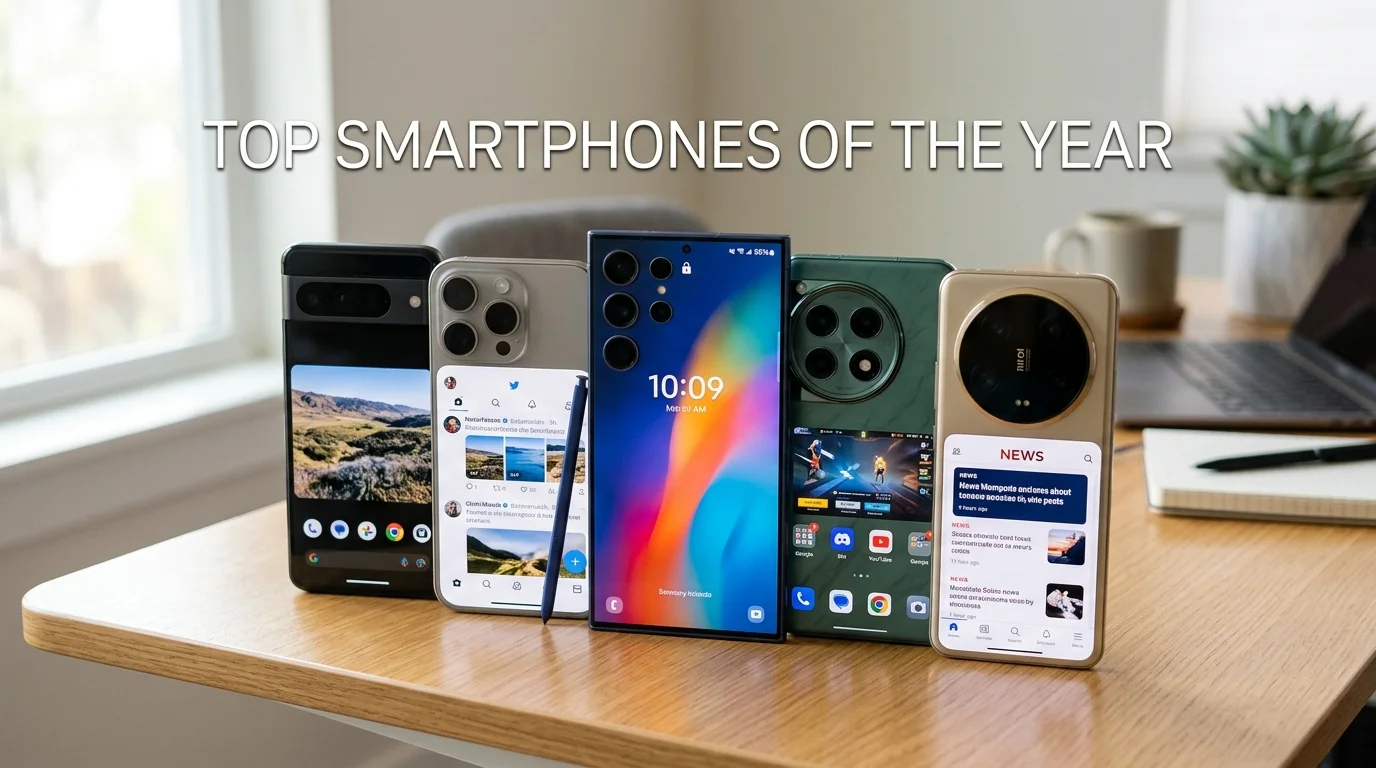
Choosing a smartphone in 2026 is confusing. Too many brands. Too many features. Too many prices. Walk into any mobile shop and you’ll see hundreds of options ranging from ₹15,000 to ₹1,50,000. Each one claims to be the “best.”
This guide cuts through the noise. I’ve tested dozens of 2026 smartphones and narrowed down the genuinely best ones across different needs and budgets. Whether you’re a student, professional, gamer, or photographer, you’ll find your perfect phone here.
The smartphones you’ll read about aren’t just the most expensive or the most popular. They’re phones that actually deliver on their promises. They solve real problems. They offer good value. And they work reliably day after day.
Let’s find the right smartphone for you.
What Changed in Smartphone Technology by 2026
Before jumping into phone recommendations, you should know what’s new this year:
Artificial Intelligence is now standard. Every flagship phone in 2026 includes on-device AI that learns how you use your phone. Cameras use AI to improve photos automatically. Battery management uses AI to last longer. Even typing and messaging use AI.
Batteries are finally getting better. Phones that last 2-3 days on one charge are no longer rare. Fast charging that fills your battery 50% in 15 minutes is common. Some phones even have larger batteries without being heavier.
Cameras have stopped chasing megapixels. Instead of “bigger number = better photo,” phone makers now focus on light capture, color accuracy, and zoom without losing quality. A 50MP camera today takes better photos than a 200MP camera from 2023.
Phones are thinner and stronger. Modern materials make phones lighter while keeping them durable. Screens break less often. Water resistance is standard.
Prices are stabilizing. After years of price increases, flagship phones in 2026 are priced reasonably compared to 2025. Mid-range phones are genuinely good alternatives to flagship models.
Part 1: The Best Flagship Smartphones (Premium Category)
Flagship phones are for people who want the absolute best. They cost more, but they deliver the latest technology and excellent long-term support.
Samsung Galaxy S26 Ultra – Best Overall Android Phone
Price in India: ₹1,30,999
Global Price: Approximately $1,550
Best For: Android lovers, professionals, photographers
What Makes It Special:
The Samsung Galaxy S26 Ultra is the standard other Android phones compare themselves to. It has everything: the latest processor, the best camera system, a gorgeous display, and support for 7 years of software updates (meaning your phone gets improvements until 2033).
The camera system deserves its own mention. Four cameras work together to capture stunning photos whether it’s bright daylight or complete darkness. Video recording at 8K means you can zoom and edit videos later without losing quality.
The display is magnificent—120Hz refresh rate means everything looks buttery smooth. Apps open without stuttering. Scrolling through your feed feels perfect. The screen automatically adjusts brightness to your environment and your eyes.
Pros:
- Cameras produce photos that look professional
- Battery easily lasts a full day of heavy use
- Smooth performance with latest processor
- Regular software updates for 7 years
- Excellent screen with perfect colors
- Works perfectly with all apps and services
- Great build quality—feels premium
Cons:
- Expensive—most people won’t justify the cost
- Very large phone (hard to use one-handed)
- Heats up during heavy gaming
- Not much different from S25 Ultra if you own that model
Should You Buy? If you’re a photography enthusiast, upgrade from a 3+ year old phone, or work in a profession requiring a powerful device, absolutely yes. If your current phone works fine, wait another year.
Apple iPhone 17 Pro Max – Best iOS Smartphone
Price in India: ₹1,39,999
Global Price: Approximately $1,650
Best For: People invested in Apple ecosystem, creative professionals
What Makes It Special:
The iPhone 17 Pro Max is Apple’s latest flagship, and it represents the best iOS experience available. If you use Apple Watches, AirPods, iPads, or MacBooks, this phone integrates seamlessly with everything.
The processor is incredibly fast—faster than necessary for normal tasks, but perfect for apps like video editing or 3D games. The camera, while not technically superior to the Samsung S26 Ultra, produces images with Apple’s signature look that many people prefer.
What sets iPhones apart is reliability. They rarely glitch. They rarely crash. They work exactly as you expect them to. The software is optimized specifically for the hardware, so everything runs smoothly.
Pros:
- iOS is reliable and rarely crashes
- Integrates perfectly with Apple devices
- Gets software updates for 6-7 years
- Excellent customer support at Apple Stores
- Camera quality is consistently great
- Premium build feels expensive and durable
- Great resale value (iPhones hold value well)
Cons:
- Extremely expensive
- No customization (you can’t change default apps easily)
- Smaller storage than Android equivalents for the same price
- Not compatible with many Android accessories
- Heats up during gaming
Should You Buy? If you already own Apple devices and love the ecosystem, yes. If you’re coming from Android, consider trying a friend’s iPhone first because switching is a big change.
OnePlus 15 – Best Smartphone for Developers and Power Users
Price in India: ₹89,999
Global Price: Approximately $1,070
Best For: Tech enthusiasts, developers, people who customize everything
What Makes It Special:
OnePlus built its reputation on speed. The OnePlus 15 is the fastest, smoothest non-Apple phone available. It does this through software optimization—the operating system is carefully tuned to the hardware.
The display is absolutely beautiful. 165Hz refresh rate (most phones have 120Hz) means even more smoothness. Scrolling feels almost liquid.
Developers love OnePlus because it’s easy to unlock the bootloader and install custom versions of Android. If you’re into that, OnePlus is your brand.
Pros:
- Fastest Android phone available
- 165Hz display makes everything smooth
- Very fast charging (full battery in 20 minutes)
- Excellent processor and RAM
- Clean Android experience without bloatware
- Good cameras despite lower megapixels
- Good value for features offered
Cons:
- Camera not as advanced as Samsung or iPhone
- No expandable storage (can’t add memory card)
- Gets hot during heavy gaming
- Update support only 4 years (less than Samsung or iPhone)
Should You Buy? If you enjoy speed and smoothness, want to customize everything, or are a developer, definitely. Otherwise, consider Samsung S26 Ultra.
Part 2: Best Mid-Range Smartphones (Great Value Category)
Mid-range phones in 2026 are surprisingly good. They handle everything except heavy gaming. Prices range from ₹50,000 to ₹80,000.
Vivo V70 Pro – Best Mid-Range All-Rounder
Price in India: ₹64,999
Best For: People who want flagship features without flagship price
What Makes It Special:
The V70 Pro is like getting 80% of the S26 Ultra for 50% of the price. It has a great camera, fast processor, and beautiful display. It won’t last 7 years of updates like flagship phones, but it will easily last 4-5 years.
The camera is genuinely impressive. While not as versatile as flagship cameras, it takes photos that look professional. The processor is powerful enough for most apps and even light gaming.
Pros:
- Fantastic value for money
- Camera quality punches above its price
- Smooth performance for everyday use
- Good display quality
- Fast charging
- Decent battery life
Cons:
- Only 3 years of major updates (less than flagship)
- Heats up during extended gaming
- Design is less premium than flagships
- Slightly slower processor
Should You Buy? If you want a reliable phone that does everything well without breaking the bank, absolutely. This is the phone to recommend to most people.
Motorola Edge 80 – Best Budget-Friendly Mid-Range
Price in India: ₹52,999
Best For: People on tight budgets who still want decent quality
What Makes It Special:
Motorola is known for clean Android software with minimal bloatware. The Edge 80 continues this tradition. It’s the phone you get when you want simplicity, reliability, and good value.
The processor is competent. The display is bright and clear. The camera is decent for social media. Battery lasts a full day. Most importantly, it’s affordable.
Pros:
- Very affordable
- Clean, fast Android software
- Reliable performance
- Good battery life
- Decent cameras
- Water resistant
Cons:
- Not as powerful as Vivo V70 Pro
- Fewer premium features
- Smaller display than competitors
- Fewer color options
Should You Buy? If budget is your primary concern and you want a working phone that won’t frustrate you, yes. It’s perfect for students or backup phones.
Part 3: Best Budget Smartphones (Under ₹40,000)
These phones handle basics excellently—messaging, calling, social media, YouTube. They’re not for serious gamers or photography enthusiasts, but for everyday use, they’re solid.
Redmi Note 15 Pro – Best Budget Phone Overall
Price in India: ₹34,999
Best For: Students, first-time smartphone buyers, backup phones
What Makes It Special:
Redmi phones offer incredible value. The Note 15 Pro does everything you need: good camera for Instagram, fast enough processor for apps, decent display, and battery that lasts 1.5 days.
You’re not getting flagship features, but you’re getting a reliable phone that works every day without complaints.
Pros:
- Fantastic value for money
- Good camera for social media
- Decent processor
- Expandable storage (add memory card)
- Good battery life
- Available in multiple colors
Cons:
- Not as smooth as more expensive phones
- Gets warm during heavy use
- Fewer premium features
- Updates slow to arrive
Should You Buy? Absolutely if you’re on a budget. It’s the best phone under ₹40,000.
iQOO Z11x – Best Budget Gaming Phone
Price in India: ₹29,999
Best For: Budget gamers, students who play games
What Makes It Special:
For under ₹30,000, the iQOO Z11x offers surprisingly good gaming performance. The processor is decent, the display is smooth (144Hz), and it doesn’t overheat too much.
If budget gaming is your priority, this is your phone. You won’t match flagship gaming performance, but for the price, it’s excellent.
Pros:
- Great value for gamers
- Smooth 144Hz display
- Good performance in games
- Fast charging
- Decent camera
Cons:
- Gets hot in intense games
- Budget design and materials
- Only 2 years of software updates
- Not great for heavy multitasking
Should You Buy? If you’re a student gamer on a budget, yes. If you need a general-purpose phone, Redmi Note 15 Pro is better.
Part 4: Smartphones by Special Needs
Not everyone needs the most powerful phone. Some people prioritize cameras. Some prioritize battery. Some prioritize durability. Here are the best phones for specific needs.
Best Camera Phones
Vivo X300 Ultra – ₹1,15,999
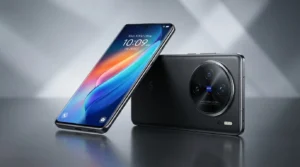
The X300 Ultra has a 200MP main camera with advanced computational photography. Photos come out incredibly detailed. Even when zoomed in digitally, quality stays high.
Why choose this over S26 Ultra? If photography is 80% of your phone use and price is secondary, the X300 Ultra edges out the competition with its camera. The rest of the phone (display, processor, battery) is excellent but not the absolute best.
OPPO Find X9 Ultra – ₹1,09,999
OPPO has always been the camera brand among Chinese manufacturers. The Find X9 Ultra continues this tradition. The ultra-wide and macro cameras are particularly impressive. Night photography is exceptional.
Best Battery Life Phones
OnePlus Nord 6 – ₹54,999
This phone has a 9,000mAh battery—one of the largest in 2026. You genuinely get 2+ days of battery life with normal use. Charging is also fast (100W fast charging).
Perfect for travelers, remote workers, and anyone who hates charging their phone constantly.
iQOO Neo 12 – ₹45,999
Another large battery (8,500mAh), so it easily lasts 1.5-2 days. Slightly cheaper than OnePlus Nord 6. Good all-around phone with long battery being the standout feature.
Best Gaming Phones
POCO X8 Pro Max – ₹69,999
Built specifically for gaming. Shoulder triggers (like a game controller). Active cooling to prevent overheating. Smooth display. Excellent processor. If gaming is your main use, this phone is designed for you.
iQOO Z11 Pro – ₹49,999
The budget version of the gaming phone. Not as powerful as POCO X8 Pro Max, but still very capable for gaming. Good value if you game but don’t want to spend ₹70,000.
Best Durability Phones
Samsung Galaxy Xcover 7 Pro – ₹79,999
This phone is built like a tank. It’s waterproof to 3 meters. Shockproof from 1.5 meters. Designed for outdoor work, construction workers, and adventurers.
Trade-off: It’s thick, heavy, and not as elegant as regular phones. But if you need a phone that survives drops and water, this is it.
Comprehensive Smartphone Comparison Table
| Phone Model | Price (₹) | Best Feature | Processor | Camera (Main) | Battery | Display (Hz) | Software Years |
|---|---|---|---|---|---|---|---|
| Samsung S26 Ultra | 1,30,999 | Best overall Android | Snapdragon 8 Elite | 200MP | 5,000mAh | 120Hz | 7 years |
| iPhone 17 Pro Max | 1,39,999 | Best iOS | Apple A19 Pro | 12MP (triple) | 4,800mAh | 120Hz | 6 years |
| OnePlus 15 | 89,999 | Fastest Android | Snapdragon 8 Elite | 50MP | 5,400mAh | 165Hz | 4 years |
| Vivo V70 Pro | 64,999 | Best mid-range | Snapdragon 7 Gen 3 | 50MP (dual) | 5,200mAh | 120Hz | 3 years |
| Motorola Edge 80 | 52,999 | Best budget mid-range | Snapdragon 7 Gen 3 | 50MP | 5,000mAh | 120Hz | 3 years |
| OnePlus Nord 6 | 54,999 | Best battery | Snapdragon 7 Gen 3 | 50MP | 9,000mAh | 120Hz | 3 years |
| Redmi Note 15 Pro | 34,999 | Best budget overall | Snapdragon 685 | 50MP | 5,000mAh | 90Hz | 2 years |
| iQOO Z11x | 29,999 | Best budget gaming | Snapdragon 682 | 50MP | 5,500mAh | 144Hz | 2 years |
| Vivo X300 Ultra | 1,15,999 | Best cameras | Snapdragon 8 Elite | 200MP | 5,500mAh | 120Hz | 4 years |
| POCO X8 Pro Max | 69,999 | Best gaming | Snapdragon 8 Elite Gen 2 | 50MP | 6,100mAh | 144Hz | 2 years |
Smartphone Selection Guide by Situation
| Your Situation | Best Phone Choice | Why | Price Range |
|---|---|---|---|
| Professional needing best phone | Samsung S26 Ultra | Best all-around, 7-year updates, great camera | ₹1,30,999 |
| Apple ecosystem user | iPhone 17 Pro Max | Seamless integration, reliable, great camera | ₹1,39,999 |
| Want flagship minus price | Vivo V70 Pro | 80% flagship features, 50% cost | ₹64,999 |
| On strict budget | Redmi Note 15 Pro | Works perfectly, good value | ₹34,999 |
| Student gamer | iQOO Z11x | Smooth gaming, affordable | ₹29,999 |
| Photographer | Vivo X300 Ultra | Best camera system | ₹1,15,999 |
| Travels constantly | OnePlus Nord 6 | 2+ day battery, fast charging | ₹54,999 |
| Outdoor/adventure | Samsung Xcover 7 Pro | Rugged, waterproof | ₹79,999 |
| Gaming enthusiast | POCO X8 Pro Max | Designed for gaming, smooth | ₹69,999 |
| Wants latest tech | OnePlus 15 | Fastest, smoothest Android | ₹89,999 |
Part 5: Choosing Your Smartphone – Decision Framework
Feeling overwhelmed? Use this framework to choose the right phone:
Step 1: Determine Your Budget
First, honestly decide how much you can spend. Prices range from ₹25,000 to ₹1,40,000. Your budget eliminates most options immediately.
Budget ranges:
- Under ₹30,000 – Budget phones (basic use, students)
- ₹30K-₹60K – Mid-range (good all-around phones)
- ₹60K-₹90K – Premium mid-range (close to flagship)
- Over ₹90K – Flagship (best technology)
Step 2: Choose Your Operating System
Android vs iOS is a lifestyle choice. If you own Apple devices, iPhone makes sense. If you prefer customization and variety, Android is better. Both are good.
60% of the world uses Android. 40% uses iPhone. Both ecosystems work perfectly. It’s personal preference.
Step 3: Identify Your Main Use
What will you use your phone for most? Be honest:
- Mostly messaging and social media → Budget phone is fine
- Photography/videography → Camera phone (Vivo X300 Ultra or S26 Ultra)
- Gaming → Gaming phone (POCO X8 Pro Max or iQOO Z11x)
- Battery is critical → OnePlus Nord 6 or iQOO Neo 12
- Professional work → Flagship (S26 Ultra or iPhone)
Step 4: Consider Secondary Features
After your main use, what else matters?
- Software updates → Choose Samsung (7 years), iPhone (6 years), or OnePlus (4 years)
- Design/looks → iPhone or OnePlus (premium aesthetics)
- Durability → Samsung Xcover for rugged, or iPhone/Samsung for everyday
- Ease of use → iPhone (simplest), Motorola (clean Android), Xiaomi (feature-rich)
Step 5: Make Your Decision
By now, you’ve probably narrowed it to 2-3 phones. Read detailed reviews of those specific models. Watch YouTube comparisons. Visit a store and hold them in your hand.
The “best” phone is the one that makes you happy every day.
Smartphone Buying Guide: Don’t Make These Mistakes
Mistake 1: Chasing Megapixels
A 200MP camera isn’t better than a 50MP camera if the 50MP captures light better. Judge cameras by actual photos, not specs. Visit a camera phone review site and look at real-world examples.
Mistake 2: Ignoring Software Updates
A cheap phone that gets updates for 5 years is better than a cheap phone that gets updates for only 1 year. Your phone is with you daily for 3-5 years. Regular updates keep it secure and working.
Check how many years of updates your phone choice gets before buying.
Mistake 3: Assuming Expensive = Best
The most expensive phone isn’t always best for you. iPhone 17 Pro Max costs ₹1,39,999. Vivo V70 Pro costs ₹64,999. If you mainly use social media and messaging, the V70 Pro is genuinely better for you (because you saved ₹75,000).
Mistake 4: Buying Last Year’s Flagship
When new flagships launch, last year’s model drops in price. While tempting, buying an older flagship is often not worth it. The new model is better in meaningful ways. Instead, consider this year’s mid-range phone—better value.
Mistake 5: Not Testing First
Phones feel different in your hand. Some are too heavy. Some are too big. Battery life is different for each person. Visit a store and handle phones for 10 minutes before buying.
Mistake 6: Forgetting Accessories
Budget ₹2,000-3,000 for a screen protector and case. Budget ₹1,000-2,000 for a charger. These are necessary expenses that protect your investment.
FAQ: Your Top Smartphone Questions Answered
Q1: What’s the difference between Android and iOS?
A: Android is an operating system used by Samsung, OnePlus, Vivo, Motorola, and many others. iOS is used only by Apple.
Android: More customizable, variety of manufacturers, wider price range, more apps available.
iOS: Simpler to use, integrates with Apple devices, consistent experience, better privacy controls, more expensive.
Think of it like cars: Android is like having many car manufacturers competing. iOS is like having one manufacturer with perfect quality control.
Q2: How long does a smartphone last?
A: With good care, a smartphone lasts 4-6 years. After that, the battery degrades and the software might feel slow.
To extend phone life:
- Use original charger
- Keep phone temperature moderate (not in hot car)
- Use a protective case
- Install security updates immediately
- Don’t overfill storage
Q3: Should I buy the newest phone or wait for next year’s model?
A: Unless you have specific needs, wait 3-6 months after launch. Prices drop. Bugs are fixed. Reviews help you decide properly.
Never buy a phone on launch day unless you’re a tech enthusiast. Wait for the market to stabilize.
Q4: Can I use my old phone as a backup?
A: Absolutely. Keep your old phone as a backup. It can be useful for:
- Backup device when new phone is in repair
- Emergency phone
- Testing new apps before installing on primary phone
- Keeping old photos and memories
Q5: Is it worth upgrading if my phone works fine?
A: No. Keep your phone if it works perfectly. Upgrade only when:
- Battery degrades significantly (can’t last a day)
- Phone slows down noticeably
- You need specific features (better camera, longer battery)
- Phone is 3+ years old and you want latest security
Q6: What does “flagship” mean?
A: Flagship is the brand’s best, most advanced phone. It sets the standard for that year. Samsung Galaxy S26 Ultra is Samsung’s flagship. iPhone 17 Pro Max is Apple’s flagship.
Flagship phones are expensive but offer the best technology available at that time.
Q7: Should I buy a used or refurbished phone?
A: Be careful with used phones. Only buy from certified resellers or platforms like Flipkart/Amazon certified refurbished. Avoid random sellers.
Risks: Hidden damage, limited warranty, degraded battery, might be stolen. Benefit: Save 20-40% on price.
Q8: What’s the difference between 4G and 5G?
A: 5G is much faster internet speed (10x faster than 4G). However:
- 5G network coverage is limited in India (growing but not everywhere)
- Battery drains faster on 5G
- 5G phones are more expensive
- 4G is still fast enough for most people
Don’t pay extra for 5G unless you live in areas with good 5G coverage.
Q9: How much storage should I get?
A: Get at least 128GB. Most people need 256GB.
- Photos and videos fill storage fast
- Apps take 2-10GB each
- Operating system takes 15-20GB
- Keep 20% empty for performance
If you take lots of photos/videos, get 512GB.
Q10: Can I expand storage with a memory card?
A: Depends on phone. Budget phones often have expandable storage (microSD card slot). Flagships usually don’t.
Don’t rely on expandable storage—buy the storage capacity you need from the beginning.
External Resources & References
For additional smartphone reviews and recommendations:
- GSMArena Phone Database – Comprehensive specifications and real-world reviews of every smartphone
- CNET Smartphone Reviews – Expert testing and detailed comparison of top phones
- 91mobiles Indian Reviews – India-specific pricing, availability, and hands-on reviews
Internal Links & Related Content
To deepen your tech knowledge, explore these related topics:
- Top Trending Gadgets This Year – See how smartphones fit into the broader 2026 tech landscape alongside other trending devices
- Upcoming: Best Phone Accessories Guide
- Upcoming: How to Extend Smartphone Battery Life
- Upcoming: Smartphone Photography Tips & Tricks
Key Takeaways for Smartphone Buyers in 2026
1. Determine your budget first. Your budget eliminates 80% of phone choices. Be realistic.
2. Choose your operating system. Android or iOS. Both are excellent. Choose based on ecosystem and preference.
3. Identify primary use. Photography? Gaming? Messaging? Your main use determines which features matter most.
4. Flagship isn’t always necessary. Mid-range phones do 90% of what flagships do for 50% of the cost. Most people should buy mid-range.
5. Read real reviews before buying. Specifications matter less than real-world performance. Watch YouTube reviews from multiple reviewers.
6. Test before buying. Hold phones in a store. Feel the weight. Check the display. Phones feel different in hand.
7. Software updates matter. Choose a phone with at least 3 years of updates. Longer updates (5-7 years) are better.
8. Don’t overpay for features you won’t use. A 200MP camera is wasted if you mainly use social media. Spending ₹1,30,999 on a S26 Ultra when Vivo V70 Pro at ₹64,999 does everything you need is not smart.
9. Accessories are necessary. Budget ₹3,000-5,000 for case, screen protector, and charger. These protect your investment.
10. Your phone matters. You touch your phone 300+ times daily. Choosing the right one affects your happiness. Take time to choose wisely.
Conclusion: Making Your Smartphone Decision
In 2026, smartphone options are better than ever. Whether you have ₹25,000 or ₹1,40,000, there’s an excellent phone for your needs and budget.
The flagship phones—Samsung S26 Ultra and iPhone 17 Pro Max—offer cutting-edge technology. If money isn’t a concern, these are genuinely excellent phones that will stay current for 6-7 years.
The mid-range phones—Vivo V70 Pro and OnePlus 15—deliver 80% of flagship performance for half the price. These are what I recommend to most people.
The budget phones—Redmi Note 15 Pro and iQOO Z11x—work perfectly for basic and even intermediate use. They’re ideal for students and first-time buyers.
Specialty phones—POCO X8 Pro Max for gaming, OnePlus Nord 6 for battery life, Vivo X300 Ultra for photography—serve those with specific needs.
Your perfect phone is waiting. Use this guide to find it. Read reviews. Visit a store. Hold phones in your hands. Then make your decision.
A good smartphone makes daily life easier. A great smartphone you love using makes you actually happy. Find the one that makes you happy.