
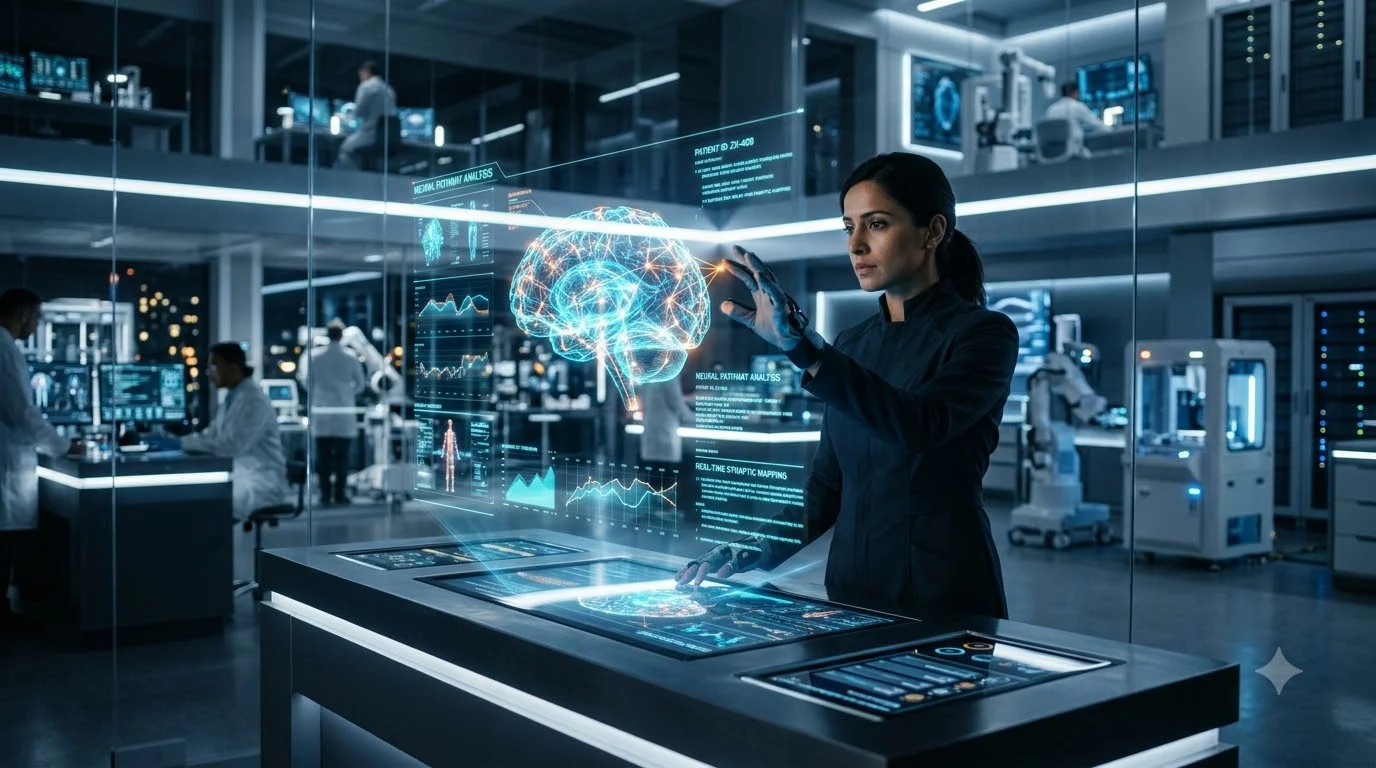
The year 2026 isn’t far away anymore—it’s almost here. And if you’re wondering what new technologies will actually matter, you’ve come to the right place.
Right now, in labs and companies around the world, engineers and scientists are building the future technology. Some of these inventions sound like science fiction. Others are already working in small ways. This article breaks down 10 real technology breakthroughs that are going from labs to real life in 2026.
Why should you care? Because these technologies will affect your job, your money, your health, and how your family lives. If you work in business, understanding these trends helps you stay ahead. If you’re a student, knowing what’s coming helps you pick the right skills to learn. And if you’re just curious about the future technology, this guide gives you the real story—not just hype.
1. AI That Can Do Almost Everything (Generative AI Models)
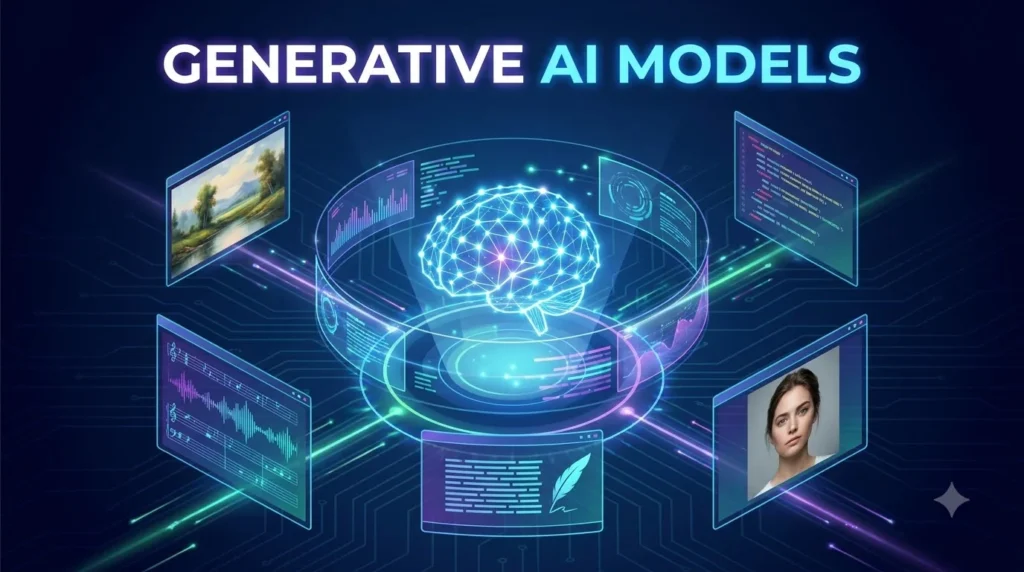
What Exactly Is Generative AI?
Generative AI means computer systems that can create new things—writing, images, code, music, and more. These aren’t just searching through existing data. They’re actually generating (making) new content.
Think of it like this: a search engine finds what already exists. Generative AI makes something new.
In 2026, these AI systems are getting smarter. They can handle different types of information at the same time (text, images, audio, video). They understand context better. They make fewer mistakes.
Real Ways People Are Using This in 2026
- Content creators use AI to write blog posts, design graphics, and create videos 10x faster
- Software companies use AI to write and test code automatically
- Teachers use AI to create personalized lessons for each student
- Doctors use AI to analyze medical images and spot diseases early
- Marketing teams use AI to write and test ad copy in seconds
The Good Side vs. The Bad Side
| Benefit | Challenge |
|---|---|
| Saves hours of work every day | Can create false or misleading information |
| Helps create new ideas faster | Requires enormous electricity and computer power |
| Makes tools available to everyone | Raises questions about copyright and who owns the work |
| Speeds up research in medicine and science | Companies need clear rules about how to use it responsibly |
How Much Does It Cost?
- For individuals: Free to $20/month for basic tools
- For businesses: $100 to $10,000+ per month depending on size and usage
- Expected growth: The AI tools market is expected to reach $500+ billion by 2028
India Note: In India, AI tool subscriptions cost between ₹500 to ₹5,000 per month for businesses, with free versions available for students and learners.
2. Quantum Computing Becomes Practical
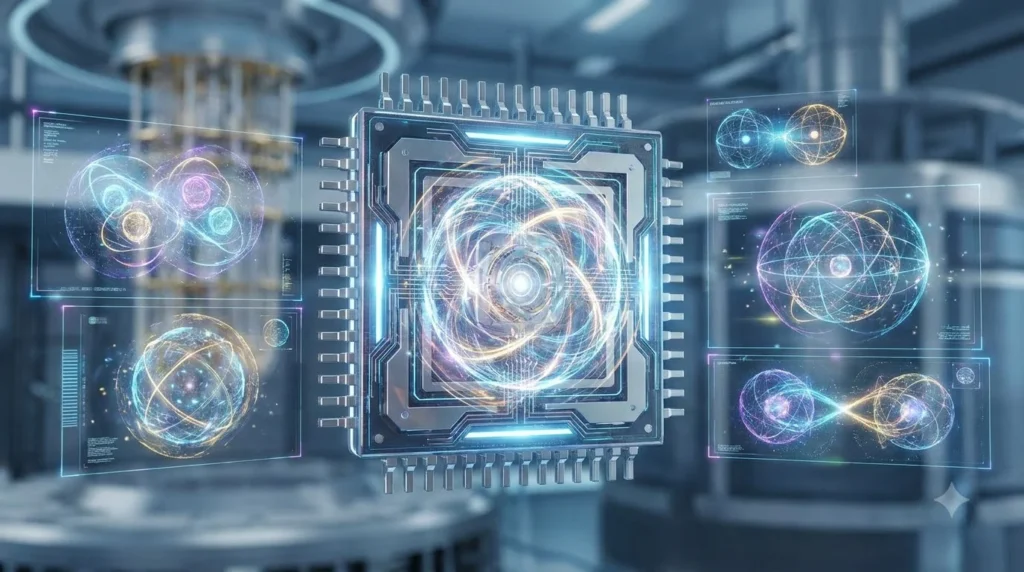
Stop—What’s Quantum Computing?
Regular computers (the ones you use right now) think in bits. A bit is either a 1 or a 0. On or off.
Quantum computers are different. They use quantum bits (qubits). A qubit can be 1, 0, or both at the same time (this is called superposition—it’s the weird quantum thing).
This means quantum computers can solve certain problems that would take regular computers thousands of years to solve.
What Problems Can Quantum Computers Actually Solve?
| Problem Type | What It Helps With |
|---|---|
| Drug discovery | Finding the right molecules to fight diseases faster |
| Materials science | Designing new materials with specific properties |
| Optimization | Finding the best route for delivery trucks or supply chains |
| Financial modeling | Testing millions of scenarios for investment decisions |
| Cryptography | Creating unbreakable codes and breaking current ones |
Why It Matters in 2026
- IBM, Google, and other companies now have quantum computers with fewer errors
- Companies are starting real projects (not just experiments) using quantum computers
- Banks and pharmaceutical companies are testing quantum systems
- Universities are training a new generation of quantum programmers
The Real Talk: What Quantum Can’t Do Yet
| What Works | What Doesn’t Work Yet |
|---|---|
| Small-scale optimization problems | Solving all types of problems faster |
| Simulating chemistry | Everyday computing tasks |
| Research applications | General business use |
| Lab settings | Mass-market products |
3. Batteries That Charge Faster and Last Longer
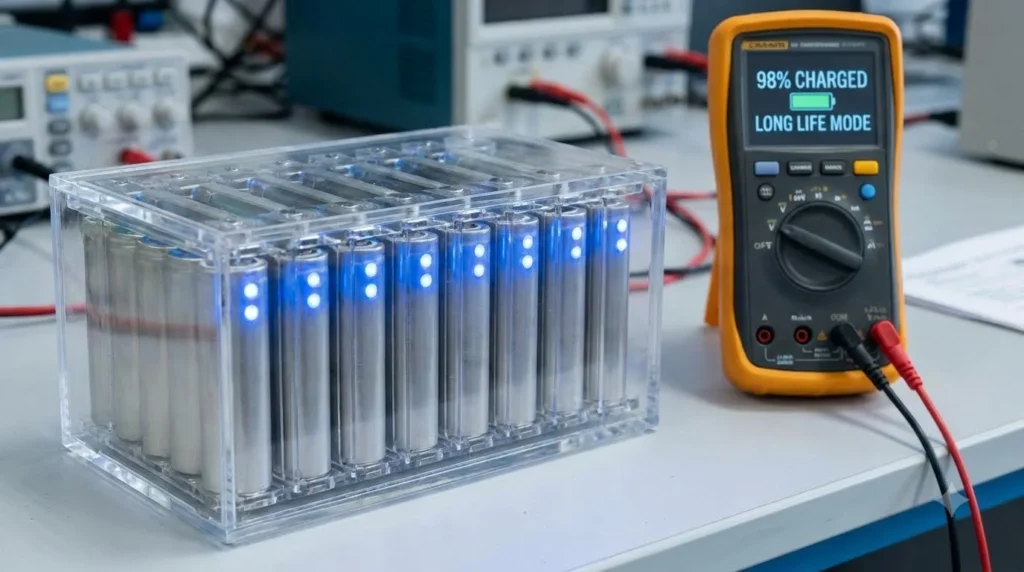
The Battery Problem We’re Solving
Right now, most electric cars use lithium-ion batteries. They work, but they have limits:
- They take 30-60 minutes to charge
- They degrade over time
- They can overheat and catch fire (rarely, but it happens)
What’s New in 2026
Solid-state batteries are becoming real. Instead of liquid inside, they use solid material. This means:
- 2-3 times more energy in the same space
- Charge in 10-15 minutes instead of an hour
- 200+ year lifespan instead of 8-10 years
- Safer—much less risk of fire or explosion
Where You’ll See These Batteries
| Industry | What Changes |
|---|---|
| Electric vehicles | Range jumps from 300 to 600+ miles on one charge |
| Smartphones | Phone lasts 3-4 days instead of one day |
| Electric aircraft | Small airplanes can now fly on battery power |
| Grid energy storage | Can store solar and wind power for days |
| Portable electronics | Thinner, lighter laptops and devices |
The Cost Question
- 2024-2025: Solid-state batteries cost $100-150 per kWh (expensive)
- 2026: Dropping to $80-120 per kWh as factories scale up
- 2030 projection: $50-60 per kWh (competitive with gas cars)
India Context: A new EV model with solid-state battery will cost approximately ₹25-35 lakhs compared to current ₹15-20 lakhs, but with 5x the lifespan.
4. Brain-Computer Interfaces (Reading Your Thoughts)
What Is a Brain-Computer Interface?
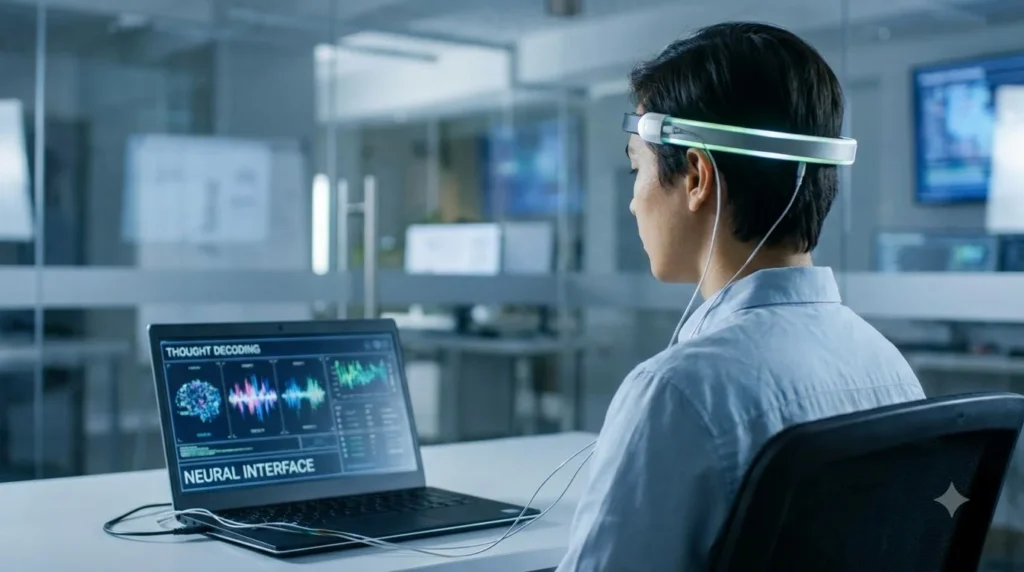
A BCI is a device that picks up signals from your brain and turns them into commands that devices can understand.
Simple version: Your brain thinks something, and a computer does it.
No surgery needed: The latest BCIs are non-invasive. They sit on your scalp like a headset. They read electrical signals from your brain.
Real Applications in 2026
- For people with paralysis: They can control robotic arms or wheelchairs just by thinking
- Communication: People who can’t speak can type messages using only thought
- Rehabilitation: People recovering from strokes can speed up recovery by thinking about movement
- Gaming and entertainment: Next-level immersive experiences
- Workplace: Hands-free control of computers and equipment in medical or technical fields
Technology Comparison
| Method | Speed | Cost | Accuracy | Safety |
|---|---|---|---|---|
| Non-invasive headset | 50-100ms | $10,000-50,000 | 70-80% | Very safe |
| Minimally invasive implant | 10-50ms | $50,000-200,000 | 85-95% | Generally safe |
| Surgical implant | 5-20ms | $100,000-500,000 | 95%+ | Small surgery risks |
The Challenges Right Now
- Signal quality is still imperfect
- Calibrating systems for each person takes time
- Privacy concerns—can someone access your thoughts?
- Cost is still very high for most people
- Needs more testing and regulation
5. AI Running on Your Phone and Devices (Edge AI)
What’s Edge AI?
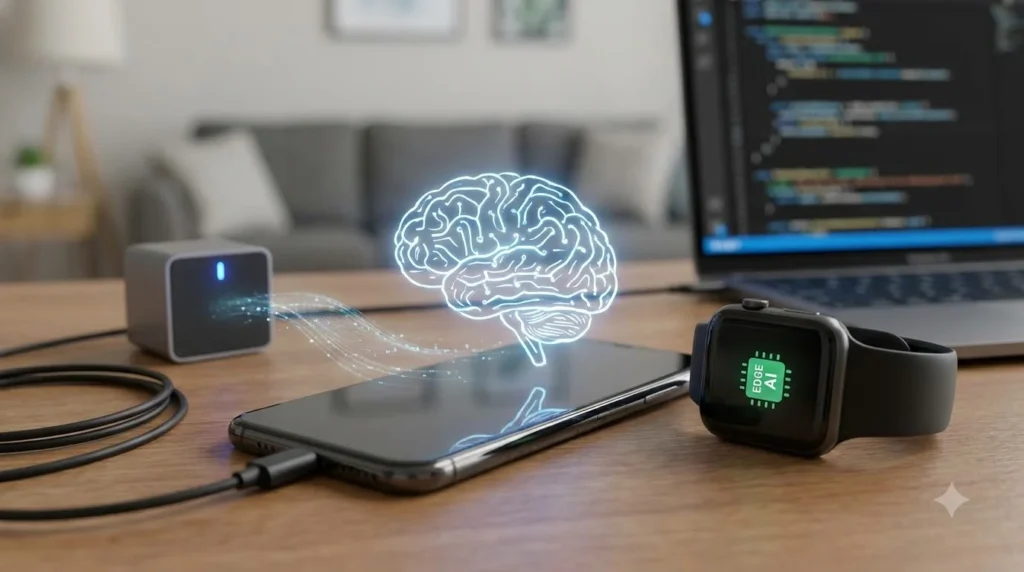
Instead of sending information to big servers in the cloud, edge AI means the AI runs right on your device.
Your phone does the thinking. Your camera does the thinking. Your smartwatch does the thinking.
Why This Is a Game-Changer
| Advantage | How It Helps |
|---|---|
| Speed | Instant response—no waiting for cloud servers |
| Privacy | Your data stays on your device, not sent to servers |
| Works offline | Doesn’t need internet to function |
| Saves money | Less data usage, lower costs |
| Battery efficient | Fewer transmissions mean longer battery life |
Where Edge AI Is Working in 2026
- Smartphones: Google Pixel and iPhone models running AI directly
- Security cameras: Detect people, packages, and threats without uploading video
- Smart home: Devices like thermostats and door locks make decisions locally
- Wearables: Fitness trackers and smartwatches analyze health data instantly
- Cars: Self-driving car systems run locally with safety backups
The Technical Challenge
Modern AI models are huge—sometimes billions of calculations. Making them small enough to fit on a phone is difficult. In 2026, companies have cracked this. Models are now:
- Smaller: From 1GB down to 50-200MB
- Faster: Running in milliseconds instead of seconds
- Smarter: Nearly as capable as cloud versions
Cost Impact
| Device | Edge AI Cost | Traditional Cloud Cost |
|---|---|---|
| Smartphone app | $0 (built-in) | $5-20/month |
| Security camera | Included in hardware | $10-30/month |
| Smart speaker | Included | $5-15/month |
India pricing: Edge AI devices in India cost 10-20% less monthly because data doesn’t travel to international servers.
6. Robots That Work Safely With People
The Change in Robotics
Old robots were dangerous. They were fast, powerful, and couldn’t tell if a human was in the way. Factories had to keep them locked behind cages.
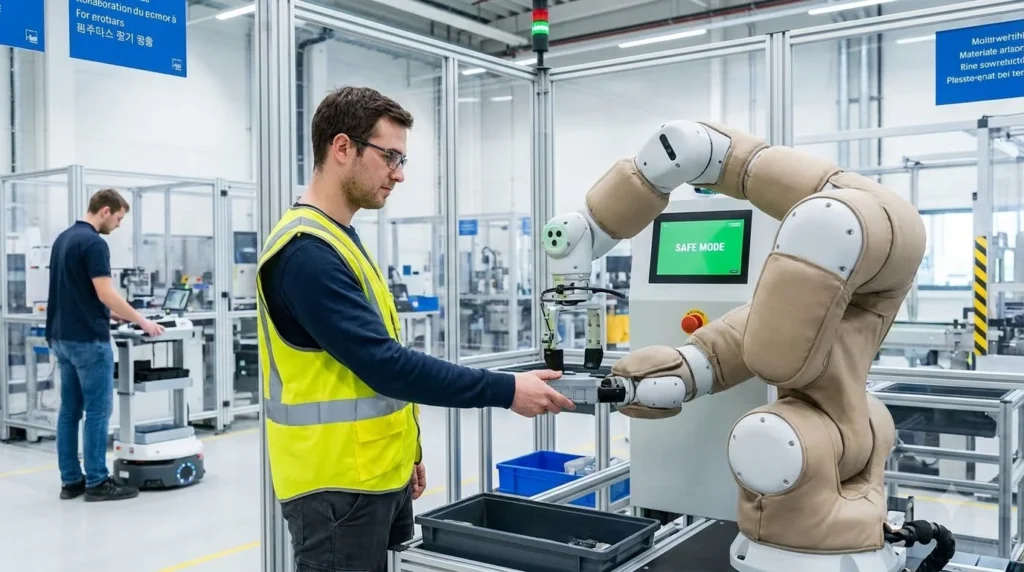
New robots in 2026 are different. They’re softer, smarter, and can work right next to humans safely.
Types of New Robots
| Robot Type | What It Does | Where You’ll See It |
|---|---|---|
| Collaborative arm robots | Lifts and moves things alongside humans | Warehouses, factories |
| Soft robots | Uses flexible materials, can’t hurt people | Hospitals, care facilities |
| Mobile robots | Moves around on wheels, picks things up | Warehouses, delivery |
| Surgical robots | Performs precise medical procedures | Operating rooms |
| Agricultural robots | Picks fruits, monitors crops | Farms |
Real Use Cases
- Healthcare: Robots help lift elderly patients, reducing injury to caretakers
- Manufacturing: Robots work alongside workers on assembly lines
- Warehouses: Robots sort packages while humans pack them
- Agriculture: Robots pick crops and monitor soil health
- Hospitality: Robot assistants in hotels and restaurants
Pros vs. Cons
| Advantage | Disadvantage |
|---|---|
| Handle repetitive, dangerous work | Expensive initial investment ($100,000-500,000+) |
| Reduce injuries to workers | Needs training and setup |
| Work 24/7 without breaks | Can make some workers feel insecure about jobs |
| Improve quality and consistency | Maintenance and repairs cost money |
| Allow workers to do higher-skill jobs | Regulatory approval takes time |
7. Gene Editing and Personalized Medicine
CRISPR: Editing DNA Like a Document
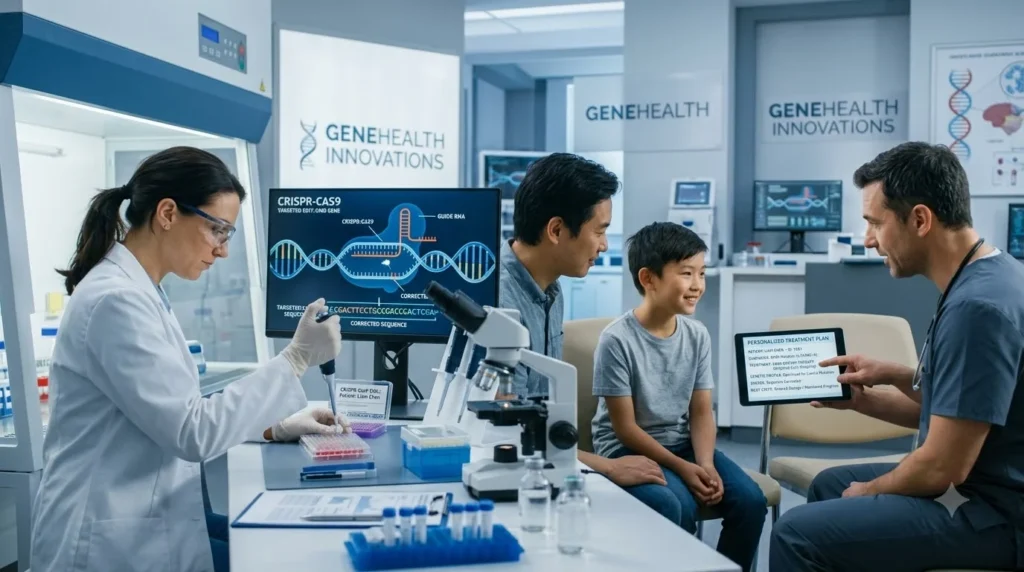
CRISPR is a tool that lets scientists edit DNA. Think of it like using Find and Replace in Microsoft Word—but for your genetic code.
In 2026, CRISPR-based treatments are moving from experimental to actually available.
Real Treatments Happening in 2026
- Sickle cell disease: Patients’ DNA is edited to stop the disease
- Certain blindness: Gene therapy restores sight
- Blood cancers: Gene-edited immune cells fight cancer
- Hereditary disorders: Conditions you inherit from parents can be prevented
How It Works (Simple Version)
- Take cells from patient
- Use CRISPR to edit the genes
- Put the fixed cells back in the patient
- Disease is gone or much better
Cost and Access
| Treatment | Estimated Cost | Covered by Insurance |
|---|---|---|
| Sickle cell gene therapy | $2-3 million | Increasingly yes |
| Inherited blindness therapy | $850,000 | Rare, usually no |
| Cancer gene therapy | $1-2 million | Sometimes |
| Experimental treatments | Variable | Usually no |
India Note: Gene therapies in India cost 30-50% less because local manufacturing is emerging. The Hyderabad and Bangalore biotech hubs are leading development.
Ethical Questions We’re Sorting Out
- Should we edit genes to prevent disease? (Most people say yes)
- Should we edit genes to enhance traits like intelligence or athleticism? (Most people say no—not yet)
- Who should have access if it’s expensive? (Everyone wants fairness)
- How do we prevent misuse? (Governments are creating rules)
8. The Metaverse and Spatial Computing
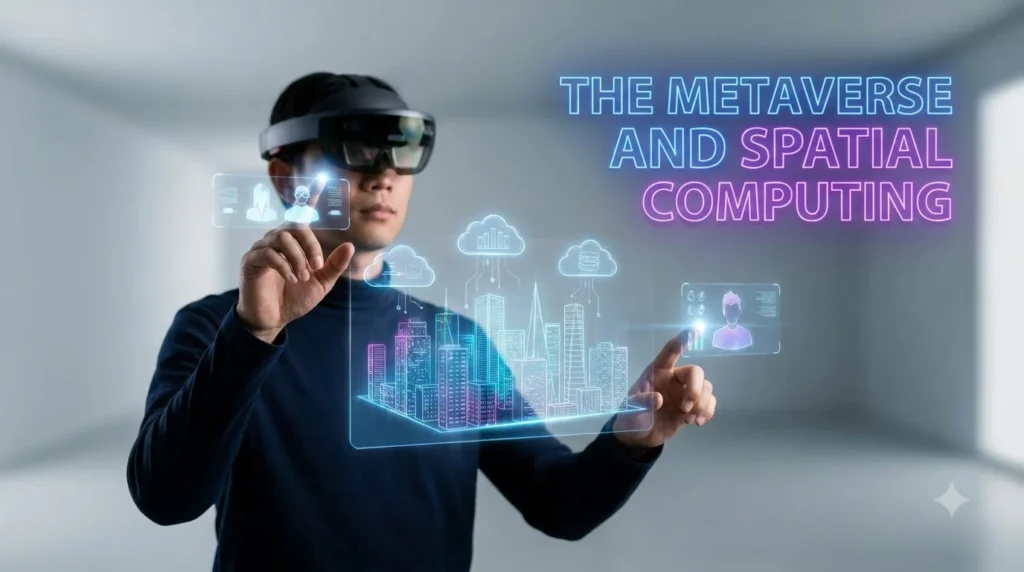
What Is Spatial Computing?
Spatial computing means blending the digital world with the real world so they work together.
You look through special glasses. You see the real world, but also digital objects and information right in front of you. You can touch, move, and interact with both.
Different From Regular VR
VR (Virtual Reality): You’re completely inside a digital world. Completely immersive but disconnected from reality.
Spatial Computing (Mixed Reality): You’re in the real world, but digital things appear around you. You stay connected to what’s actually happening.
What’s Possible in 2026
| Use Case | What Happens |
|---|---|
| Remote work | Team members appear as 3D figures in the room with you |
| Training | Learn surgery or repairs with 3D models and guidance |
| Shopping | Try on clothes digitally or see furniture in your home |
| Entertainment | Watch games and movies in immersive 3D |
| Design | Architects and engineers build together in 3D space |
The Investment
- Apple Vision Pro and competitors: $3,000-5,000 per headset
- Business headsets: $2,000-4,000
- Software and development: $100-1,000+ per app
- Setup and training: $5,000-50,000+ for businesses
India market: Similar headsets priced in INR 2.5-5 lakhs, but adoption is early. Training costs in INR 50,000 to 5+ lakhs for enterprises.
Challenges Slowing Adoption
- Headsets are expensive
- Some people get motion sickness
- Limited app ecosystem
- Battery life is still just 2-3 hours
- Privacy concerns about eye-tracking and recording
9. Clean Energy and Smart Grids
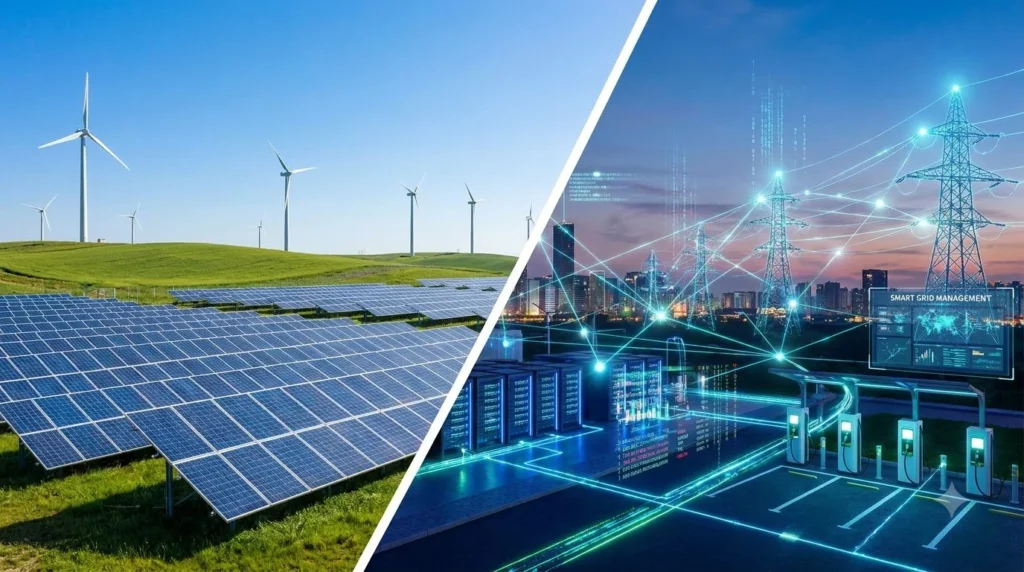
The Energy Storage Problem
Solar and wind power are amazing—until the sun sets and the wind stops. We need batteries for the grid.
Lithium-ion batteries work for a few hours. But the grid needs days or weeks of storage.
Solutions Arriving in 2026
| Storage Type | Duration | Best For | Cost (per kWh) |
|---|---|---|---|
| Lithium-ion batteries | 1-4 hours | Fast response, short peaks | $150-250 |
| Flow batteries | 4-12 hours | All-day smoothing | $200-300 |
| Compressed air | 8-24 hours | Regional storage | $100-150 |
| Gravity systems | 8-24 hours | Mountain locations | $50-150 |
| Hydrogen | Days to months | Seasonal storage | $300-600 |
Smart Grid Technology
A smart grid isn’t just wires. It’s a system that:
- Talks between power plants and homes
- Predicts demand before it happens
- Balances supply and demand in real-time
- Reroutes power if lines go down
- Lets homes and businesses send power back to the grid
Real-World Results in 2026
- Denmark: 80% of electricity from wind
- Australia: Solar in almost half of homes
- India: 500+ GW renewable capacity with smart grid rollout in major cities
- Germany: Phasing out coal, replacing with renewables and storage
Investment Needed
Countries and companies are investing heavily:
- U.S.: $150+ billion through 2030
- Europe: $300+ billion through 2030
- India: $200+ billion through 2030
10. Space Commerce and Satellite Internet
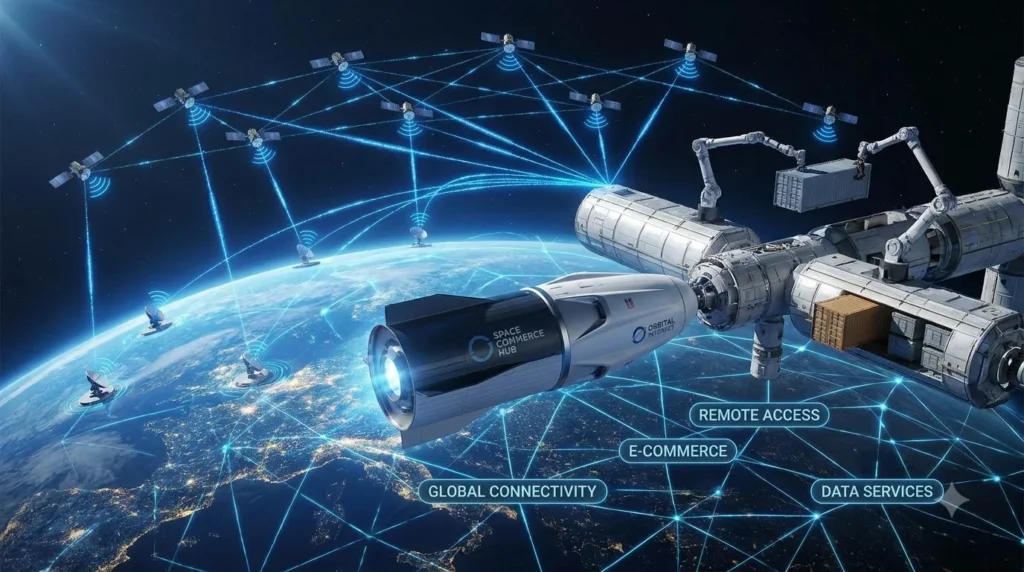
The Space Revolution
Launching rockets used to cost hundreds of millions of dollars. Companies like SpaceX changed that.
Reusable rockets now cost $60-100 million to launch. Some rockets land themselves and launch again the next month.
What’s Possible in 2026
| Business | What It Means |
|---|---|
| Satellite internet | Internet from space covering rural areas |
| Manufacturing | Make medicines and crystals in zero gravity |
| Mining resources | Eventually extract minerals from asteroids |
| Tourism | Short trips to space becoming real |
| Scientific research | Telescopes and experiments in orbit |
Satellite Internet (Starlink, Amazon Kuiper, etc.)
In 2026, satellite internet is becoming practical:
- Speed: 100-300 Mbps (good enough for work and gaming)
- Latency: 20-40ms (fast enough)
- Cost: $100-150/month
- Coverage: Remote areas, ships, airplanes
India: Starlink India service starts with ₹500-600/month for 100 Mbps. Amazon Kuiper launching in 2026.
The Challenges
- Satellite debris is becoming a real problem
- Regulatory rules are still being written
- Initial investment is massive ($10+ billion per company)
- Weather and solar activity affect signals
- Limited competition right now (could change)
Who Benefits
- Rural communities: Get high-speed internet for the first time
- Developing nations: Skip building physical infrastructure
- Emergency services: Internet when normal systems fail
- Businesses: Mobile coverage everywhere
- Scientists: New ways to monitor Earth and space
How These 10 Technologies Work Together
Here’s the important part: these technologies don’t exist in isolation.
- AI trains on data from satellites
- Quantum computers design better batteries
- Edge AI powers robots
- Gene therapy uses AI to discover treatments
- Spatial computing helps remote workers using satellite internet
- Smart grids use AI and edge computing
This creates a multiplier effect. Each technology makes the others better.
What Should You Do Right Now?
For People Managing a Business
- Start learning: Take online courses about AI, cloud computing, and cybersecurity. Costs: Free to $500/year
- Experiment: Run small projects with new technology before going all-in
- Build partnerships: Work with universities and startups
- Protect your team: Invest in retraining programs
- Stay compliant: Keep up with regulations in your industry
For Students and Job Seekers
- Learn data skills: Data analysis, Python programming, and Excel
- Understand AI: Not to become an expert, but to understand what it can and can’t do
- Get cloud certifications: AWS, Google Cloud, or Azure certifications
- Practice with open-source tools: GitHub, Kaggle, and Google Colab (all free)
- Network: Join communities of people learning and working with new tech
For Everyone
- Protect your privacy: Use strong passwords, enable two-factor authentication
- Stay informed: Follow reputable tech news (MIT Technology Review, IEEE Spectrum)
- Question claims: Not every company’s claims about AI or quantum are real
- Prepare for change: Your job might change—develop adaptable skills
- Understand the ethics: These technologies raise real questions about fairness, privacy, and power
FAQ: Your Questions About Future Technology
Q: Will AI steal everyone’s jobs?
A: No. History shows that new technology creates new jobs while changing old ones. AI will eliminate some jobs and create others. Jobs that require human judgment, creativity, and emotional intelligence are safer. Jobs that are purely repetitive are at risk. The key is developing skills AI can’t easily replace.
Q: Is quantum computing going to break all security?
A: Not immediately. Current quantum computers can’t break encryption yet. But governments and companies are developing “quantum-safe” encryption now. By 2026-2030, we’ll have new security methods ready before quantum computers become powerful enough to be a threat.
Q: Can I buy solid-state batteries for my phone in 2026?
A: Probably not yet for consumers. A few phones might have small amounts of solid-state technology. Full solid-state batteries will likely hit mainstream phones in 2027-2028. They’re still being manufactured at large scale for the first time.
Q: Is the metaverse actually going to happen?
A: It’s happening gradually, not all at once. Companies are building the pieces. But adoption is slow because headsets are expensive and apps are limited. Think of it like the internet in 1995—it was real, but most people didn’t have it yet. In 2026, it’s still early.
Q: How do I prepare for these technologies?
A: Start small. Pick one future technology that interests you. Learn the basics for free online. Experiment with free tools. Connect with people learning the same thing. You don’t need to become an expert—just understand enough to see opportunities and risks.
Important Related Reading
Want to go deeper? Check out our guide on Blockchain Technology and AI Updates for 2026 to understand how distributed systems and artificial intelligence are converging to create new possibilities in finance, supply chains, and data management.
Sources and Further Learning
For the most current information on these technologies:
- IEEE Spectrum – Technology News and Articles – Peer-reviewed technology analysis and research
- MIT Technology Review – Emerging Technology Coverage – In-depth exploration of AI, biotech, and breakthrough tech
- Nature Biotechnology – Scientific Research – Latest developments in gene therapy and biotech applications
Final Thought
The future isn’t something that happens to us. It’s something we build.
These 10 technologies represent real work being done by real people right now. None of them are science fiction. All of them will touch your life in the next few years.
The people who’ll thrive in 2026 and beyond aren’t those who have all the answers. They’re the ones who:
- Stay curious and keep learning
- Adapt when things change
- Understand both the benefits and risks
- Think about ethics, not just profit
- Work with others who see the world differently
Bookmark this article. Come back to it in a few months. Watch how the predictions change as new breakthroughs happen. And start exploring the future technology that interests you most.
The future technology is closer than you think.